Strategies for Lifelong Investment.growth.Income.
From Savings to Success: Building the Foundation for Modern Investors
Why Choose
South London Mole Clinic for Botox?
Body Scan for Skin Cancer: Is a Full-Body Digital Skin Scan Worth It?
A body scan for skin cancer is worth it if you have risk factors or many moles to track and want a photo record your clinician can compare over time. It supports early detection of change, but it cannot diagnose or rule out skin cancer on its own.
Reviewed by the nurse practitioner team at South London Mole Clinic, London, Ontario. Last updated: 02/10/2026
TL;DR
- A “body scan” for skin cancer means total body photography plus close-up dermoscopy. It uses no radiation and is not a CT or MRI.
- It tracks change. A clinical exam and biopsy still decide whether a mole is cancer.
- It may help most if you have 50 or more moles, a family history of melanoma, or skin that burns easily.
- It is a private service in Ontario. OHIP does not cover it, and some extended health plans may.
- At South London Mole Clinic, you can book without a referral.
Is a digital skin scan worth it for you? A quick check
Use this as a starting point, then talk with a clinician.
| Your situation | What it may mean |
|---|---|
| You have several risk factors (many moles, family history, fair skin, past sunburns) | A scan may be worth discussing |
| You have a few risk factors or moles in hard-to-see spots | It may help, depending on your goals |
| You have few moles, no family history and no changes | Self-checks and routine exams may be enough |
| You have a mole that is changing, bleeding or growing right now | Book an in-person exam first |
Important: Do not wait for a baseline scan if a spot is new, changing, bleeding, painful or growing fast. Get it assessed in person promptly.
What is a body scan for skin cancer?
A body scan for skin cancer is a set of detailed photos of your skin, taken so a clinician can compare them at future visits.
Nothing enters your body, and no radiation is involved.
At South London Mole Clinic, we call this mole mapping and digital skin imaging. Different clinics use different names, so the table below helps.
Body scan, mole mapping, skin exam and biopsy: what is the difference?
| Term | What it is | Can it diagnose? |
|---|---|---|
| Digital body scan or mole mapping | Skin photos plus dermoscopy, saved as a baseline | No |
| Clinical skin exam | A clinician checks your skin in person | Can raise concern |
| Biopsy | A small sample of a mole is tested | Yes |
| Mindfulness “body scan” | A relaxation exercise | Unrelated to skin |
Is it the same as a CT, MRI or PET scan?
No. Those imaging tests look inside the body. A digital skin scan looks at the surface of your skin and the top layers visible under dermoscopy. They answer different questions.
What does our scan include?
- High-resolution total body photography
- Polarised light digital dermoscopy, which looks just beneath the surface of a mole
- Side-by-side comparison at every visit
- Secure, private image storage
Can a body scan detect skin cancer?
A body scan can help your clinician notice a suspicious change, but it cannot confirm cancer. Only a biopsy can do that.
Our service page is clear on this point. Mole mapping is a monitoring and record keeping tool, not a diagnostic test.
1. What imaging can show
- New moles that appeared since your last visit
- Changes in the size, shape or colour of an existing mole
- Features under magnification that are hard to see by eye
2. What only a biopsy can answer
- Whether a mole contains cancer cells
- What type of skin cancer it is, if any
If a mole looks suspicious, your nurse practitioner will walk you through next steps. That may include a biopsy or a referral.
Does every skin cancer start as a mole?
No. Some skin cancers appear as a new bump, a scaly patch or a sore that does not heal. Mole mapping mainly follows moles and pigmented spots.
Pro tip: Tell your clinician about any non-mole skin change, even if it seems minor.
Does a clear scan mean you are cancer-free?
No. A scan shows your skin at one point in time. New spots can appear later, which is why follow-up visits and self-checks still matter.
How does digital mole mapping work?
Mole mapping works by comparing today’s images with your earlier ones. That comparison makes change easier to see than memory alone.
Step 1: Your baseline
- At your first visit, we photograph your skin and capture close-ups of moles worth a closer look.
- Those images become your personal baseline.
Step 2: Follow-up comparison
At later visits, we line up new images against your baseline. Because every visit is photographed the same way, small shifts show up clearly on screen.
Example scenario (illustrative): A person with many moles on their back sees nothing unusual in the mirror. At a follow-up visit, side-by-side images show one mole has changed shape. The nurse practitioner reviews it and explains the next step.
How do automated mole mapping systems help with early melanoma detection?
Automated imaging systems keep photos consistent and store them for comparison. That helps your clinician spot change. They do not replace clinical judgment.
At South London Mole Clinic, our IntelliStudio system captures the images, and your nurse practitioner goes through them with you.
Do AI-powered body scans improve skin cancer diagnosis?
AI tools for skin images exist, and research on them continues. Reported accuracy varies by tool and study, and results from controlled tests may differ in everyday clinics.
Most experts see these tools as an aid to a trained clinician, not a replacement. Ask any clinic who reviews your images and who decides what happens next.
Is a full-body digital skin scan worth it?
It may be worth it if you carry risk factors or struggle to track your own moles. For people at lower risk, regular self-checks and routine exams may be enough.
Benefits and limits
| Possible benefits | Limits to know |
|---|---|
| A clear photo baseline | Private cost, not covered by OHIP |
| An early look at new or changing moles | Does not diagnose cancer |
| Objective tracking instead of memory | May flag moles that turn out harmless |
| Reassurance between visits | Does not replace a clinical exam |
| Quick, private and non-invasive | Mainly follows moles, not every skin change |
Who may get the most value?
| Situation | Why it may matter |
|---|---|
| 50 or more moles, or large or irregular moles | More spots to track |
| Personal or family history of melanoma or other skin cancer | Higher baseline risk |
| Fair skin, freckles or red hair, burns easily | Higher sun sensitivity |
| Heavy childhood sun, past sunburns or tanning bed use | Past sun exposure |
| Moles on your back or scalp | Hard to watch yourself |
| Weakened immune system or immune-lowering medication | Closer monitoring may help |
Skin cancer can affect people of any skin tone. If you fall outside the groups above, you can still ask a clinician whether monitoring makes sense for you.
Who may not need it?
If you have few moles, no family history and no changes, a routine skin check with your primary care provider may be enough. A clinician can help you decide.
How common is skin cancer in Canada?
Skin cancer is among the more commonly diagnosed cancers in Canada. For current numbers, see the Canadian Cancer Society page on finding skin cancer early.
The main types of skin cancer
- Melanoma: starts in pigment-producing cells and can develop in or near a mole
- Basal cell carcinoma: often appears as a pearly bump or sore that does not heal
- Squamous cell carcinoma: often appears as a scaly patch or firm bump
Why does catching change early matter?
Many skin cancers are easier to treat when found early. Our post on why early skin cancer detection matters explains more.
What changes should you watch for?
Use the ABCDE guide for self-checks:
- Asymmetry: one half looks different from the other
- Border: edges look uneven or blurred
- Colour: more than one shade, or colour changes
- Diameter: a mole that is growing or larger than a pencil eraser
- Evolving: any change in size, shape, colour or feel
See a clinician for a sore that will not heal, bleeding, pain, itching, rapid growth or any sudden change.
How often should you get checked for skin cancer?
How often depends on your personal risk, and your clinician can set a schedule that fits you.
| Check | Typical approach |
|---|---|
| Self-check at home | Regularly, with a mirror or helper for your back and scalp |
| Clinical skin exam | As your clinician advises, based on risk |
| Mole mapping follow-up | Many people return every 6 to 12 months, set by your nurse practitioner |
Mole mapping works alongside a clinical exam, not instead of one.
What happens at your mole mapping appointment?
Your visit is quick, private and non-invasive. Nothing breaks the skin. A small handheld dermoscope rests gently on the surface for close-up images.
The four steps
- We talk first. We go over your skin history, risk factors and any moles on your mind.
- Total body imaging. IntelliStudio takes clear, high-resolution photos across your skin.
- Digital dermoscopy. Moles worth a closer look are captured in fine detail under magnification.
- Your baseline. Your images are saved securely and compared at future visits.
How long does it take?
Most visits run about 30 to 45 minutes, depending on how many moles we document.
How to prepare for a digital dermoscopy appointment
- Come with clean skin
- Skip makeup, foundation and nail polish
- Leave self-tanner off for about two weeks before your visit
- Take off jewellery and tie long hair back
- Wear underwear you are comfortable being photographed in
- Skip dark socks, and shave areas where hair hides the skin if you can
- Write down any moles you want us to pay attention to
Are your photos private?
Yes. Your images are stored securely and kept private as your personal skin baseline.
Is it safe in pregnancy?
Yes. No radiation is involved and nothing goes beneath the skin.
What happens after the scan?
Your nurse practitioner goes through the images with you. If anything looks worth checking further, they explain the next step, which might be a biopsy or a referral.
If a mole needs removal, that is a separate procedure. See our mole removal service or our guide to mole removal in London, Ontario.
How much does a skin scan cost in London, Ontario?
A full digital skin imaging appointment at South London Mole Clinic costs $695 + HST, paid when you book. Please confirm the current fee at booking.
| Question | Answer |
|---|---|
| Price | $695 + HST |
| Payment | Taken at booking |
| OHIP | Not covered, private service |
| Extended health plans | Many may reimburse, so ask your insurer |
| Referral needed | No |
For more detail, read our posts on mole mapping cost in London, Ontario and whether mole mapping is covered by OHIP.
How do you decide if the cost is worth it?
Ask yourself three questions:
- Do I have risk factors or many moles that are hard to track?
- Would a photo baseline help me and my clinician notice change?
- Can I commit to follow-up visits so the baseline stays useful?
If you answer yes to most, a consultation may be a good next step. A baseline gains value when you compare it over time.
Can you claim it through insurance?
Many extended health plans may reimburse it. Check your plan details or ask your insurer before booking.
Mole mapping, a dermatologist or your family doctor: which is right?
Each option serves a different need, and they often work together.
| Option | Best for |
|---|---|
| Mole mapping at a private clinic | Tracking moles over time, no referral needed |
| Your primary care provider | A routine check or a first look at a concern |
| Dermatologist via referral | Specialist assessment, usually through a referral |
Read more in our comparison of a private mole clinic vs dermatologist referral in Ontario.
How do you choose a body scan clinic for skin cancer?
Choose a clinic that is honest about what the scan can and cannot do. Equipment matters less than who reviews your images and what happens next.
A quick checklist
- A qualified clinician reviews your images
- Dermoscopy is part of the visit, not just photos
- Photos follow the same process every visit
- Images are stored securely and kept private
- There is a clear path to biopsy or referral
- The clinic states the limits of the scan
- Pricing is clear before you book
Questions to ask before you book
- Who reviews my images?
- What happens if something looks suspicious?
- Do you store my images, and for how long?
- What does the fee include?
- How often do you suggest follow-ups?
What should you look for in a device?
Look for total body photography paired with dermoscopy. Brand matters less than consistent imaging and a trained reviewer. Our clinic uses IntelliStudio.
Clinic-based vs mobile services
Some providers offer mobile screening. We are clinic-based, so your appointment happens at our London location.
How to read clinic reviews
- Look for comments on clear explanations and follow-up
- Check that reviews describe the process, not only the staff
- Read a mix of recent and older reviews
- Be careful with any claim that sounds absolute
What can you do between visits?
Simple habits support your skin health between appointments:
- Check your skin regularly and note any changes
- Use shade, protective clothing and sunscreen
- Avoid tanning beds
- Book an in-person exam if a spot changes, bleeds or grows quickly
Myths and facts about digital skin scans
| Myth | Fact |
|---|---|
| A body scan diagnoses skin cancer | It tracks change. A biopsy diagnoses |
| A clear scan means I am safe forever | It shows one point in time |
| Mole mapping removes moles | It photographs and monitors them |
| It replaces my skin exam | It works alongside a clinical exam |
| It hurts | It is non-invasive |
Body scan for skin cancer in London, Ontario at South London Mole Clinic
At South London Mole Clinic, we focus on mole mapping and digital skin imaging in a nurse practitioner-led clinic founded by Pinkal Gandhi. Your visit includes:
- High-resolution total body photography
- Polarised light digital dermoscopy
- Side-by-side comparison at every visit
- Secure, private image storage
- A review with your nurse practitioner
- No referral needed
Address: 561 Southdale Rd E #10, London, ON N6E 3M2
Phone: (519) 800-4518
Email: info@southlondonmoleclinic.ca
Learn more on our mole mapping and digital skin imaging page.
Frequently asked questions
1. Is mole mapping a skin cancer screening?
Not exactly. It tracks your existing moles over time so changes get caught early. It is a monitoring tool, not a diagnosis.
2. What is a full body scan for skin cancer detection?
It is a set of high-resolution skin photos plus dermoscopy, compared over time. It supports early detection but does not diagnose.
3. How much does a body scan for skin cancer cost?
At our clinic, it costs $695 + HST, paid at booking. Prices vary between clinics.
4. Does OHIP cover it?
No. It is a private service. Some extended health plans may reimburse it.
5. Do I need a referral?
No. You can book directly online or by phone.
6. How often should I get checked?
Many people return every 6 to 12 months. Your nurse practitioner will suggest timing based on your risk.
7. Does it replace a regular skin check?
No. It works alongside a clinical exam, not in place of one.
8. Does it hurt, and is it safe in pregnancy?
It does not hurt, and nothing breaks the skin. It is safe in pregnancy because no radiation is involved.
Next step
If you want a baseline of your skin, or a mole concerns you, we can help you decide what fits.
- Book a mole mapping appointment
- Call (519) 800-4518
- Visit our home page
This article is general information, not medical advice. Digital skin imaging is a monitoring tool and does not diagnose skin cancer. See a clinician in person for pain, bleeding, infection, rapid growth or any sudden change. Whether mole mapping suits you depends on a clinical consultation.
Skin Cancer Screening Clinic in London, Ontario: What to Expect and How to Book
If you are looking for a skin cancer screening clinic in London, Ontario, South London Mole Clinic offers nurse practitioner-led skin assessment and digital mole mapping with no referral needed.
Mole mapping records and monitors your moles over time, while any diagnosis comes from a clinical assessment and, when needed, a biopsy.
TL;DR
- You can book directly online or call (519) 800-4518. No referral is needed.
- The appointment includes a consultation, total body imaging, digital dermoscopy and a secure baseline. It usually takes 30 to 45 minutes.
- Mole mapping is a monitoring tool. It is not a diagnostic test and does not replace a clinical skin exam or a biopsy.
- The fee is $695 + HST, paid at booking. It is a private service and OHIP does not cover it. Some extended health plans may reimburse it.
- A new, changing, bleeding or painful mole needs prompt assessment. Do not wait for a routine monitoring visit.
What Is a Skin Cancer Screening, and What Does a Clinic Do?
A skin cancer screening is a check of your skin and moles by a trained clinician to find spots that may need a closer look.
At South London Mole Clinic, nurse practitioners lead this process and pair it with digital mole mapping.
What the process includes
- A conversation about your skin history, risk factors and the moles that concern you
- High-resolution total body photography
- Polarised light digital dermoscopy of moles that need closer review
- A secure baseline for comparison at future visits
- A discussion of next steps, which may include monitoring, a biopsy or a referral
What it cannot do
- Imaging cannot confirm that you are free of skin cancer. Digital skin imaging supports early detection and record keeping, but it is not a diagnostic test.
- A biopsy is the step that can confirm a diagnosis. Your nurse practitioner decides whether a biopsy or referral makes sense for a specific mole.
Why people book one
The Canadian Cancer Society estimates that 11,300 people in Canada will be diagnosed with melanoma and 1,250 will die from it.
Melanoma is not the only skin cancer, and regular checks give your clinician a chance to notice changes sooner. Our guide on why early skin cancer detection matters explains the reasoning.
Who Should Consider Skin Cancer Screening in London, Ontario?
Skin cancer screening and mole mapping suit people with features that raise the value of regular, documented checks. The clinic lists these situations:
- You have 50 or more moles, or moles that look large or irregular
- You or a close relative has had melanoma or another skin cancer
- You have fair skin, freckles or red hair and burn easily
- You had heavy sun exposure as a child, past sunburns, or used tanning beds
- You have moles in places that are hard to watch yourself, such as your back or scalp
- Your immune system is weakened, or you take medication that lowers it
Example: A person with a parent who had melanoma and many moles on their back cannot see those moles without help. A professional baseline and a scheduled recheck give that person a practical way to stay on top of changes.
Mole mapping does not suit every situation. Whether it makes sense for you depends on a clinical consultation.
Pro tip: Write down your family history before you arrive. Which relative, which type of skin cancer and roughly when helps your nurse practitioner judge your risk.
Which Signs Mean You Should Get a Mole Checked Sooner?
Book an assessment promptly if a mole is new, changing, bleeding, itching, painful or growing quickly. Mole mapping is for monitoring. It is not a reason to delay care for a symptom.
Clinicians often use the ABCDE checklist as a general guide:
- Asymmetry: one half does not match the other
- Border: the edge looks uneven, ragged or blurred
- Colour: the mole has several shades or an unusual colour
- Diameter: the mole is larger than a pencil eraser, or keeps growing
- Evolving: the mole changes in size, shape, colour or feel
One feature does not mean a mole is cancer, and a mole with none of them can still need review. The Canadian Cancer Society explains how to check your skin at home.
What is an atypical (dysplastic) mole?
- An atypical mole, also called a dysplastic nevus, is a mole that looks different from a common one. It may be larger, with an uneven border or mixed colour.
- Having an atypical mole does not mean you have skin cancer. Clinicians often choose to monitor these moles over time,
- which is one reason a photo baseline helps. Your nurse practitioner can tell you how to follow yours.
- Seek in-person care for pain, bleeding, signs of infection, rapid growth or any change you cannot explain.
What to Expect at Your Skin Cancer Screening Appointment
Your appointment follows four steps and usually takes 30 to 45 minutes, depending on how many moles the team documents. Nothing breaks the skin.
Step 1: We talk first
- Your nurse practitioner reviews your skin history, your risk factors and any moles on your mind.
- Mention anything you have noticed, such as a spot that itches, bleeds or looks different from your other moles.
Step 2: Total body imaging
The IntelliStudio imaging system takes clear, high-resolution photos across your skin. The team photographs every visit the same way, so images line up for comparison later.
Step 3: Digital dermoscopy
Moles that deserve a closer look are captured under polarised light at high magnification. A small handheld dermoscope rests gently on the skin. It does not hurt.
Step 4: Your baseline and next steps
- The clinic stores your images securely and privately as your personal baseline. Your nurse practitioner goes through the images with you.
- If anything looks worth checking further, you receive an explanation of the next step. That may be a biopsy or a referral.
- Mapping uses no radiation and nothing goes beneath the skin, so the clinic lists it as safe during pregnancy.
Pro tip: Point out every mole you worry about during step 1, even if it seems minor. The team can then prioritize those spots for closer images.
Mole Mapping vs Skin Cancer Screening vs Biopsy: What Is the Difference?
These three steps do different jobs, and they work best together. Mole mapping documents, a clinical assessment interprets, and a biopsy can confirm.
| Mole mapping | Clinical skin assessment | Biopsy | |
|---|---|---|---|
| What it does | Photographs and records your moles to build a comparison baseline | Reviews your skin, history and moles of concern | Samples a mole so the tissue can be examined |
| What it cannot do | Diagnose or replace a clinical exam | Confirm a diagnosis by eye alone | Replace ongoing monitoring of your other moles |
| When it happens | Booked as a private appointment, then repeated over time | At your appointment | Only when the clinician judges it appropriate |
Does mole mapping detect skin cancer?
No. Mole mapping makes changes easier to see, and your nurse practitioner interprets them. That is why the clinic describes it as a tool for monitoring and early detection support, not a diagnostic test.
Is mole mapping a skin cancer screening?
Not on its own. Mapping is the documentation part of your visit. The clinical judgement comes from your nurse practitioner, and a biopsy is what confirms a diagnosis.
You can read the full service description on our mole mapping and digital skin imaging page.
How Should You Prepare for Your Skin Check?
Arrive with clean, product-free skin and a short list of moles you want reviewed. Simple preparation makes the images clearer and easier to compare later.
- Skip makeup, foundation and nail polish on the day
- Leave self-tanner off for about two weeks before your visit
- Remove jewellery and tie long hair back
- Wear underwear you are comfortable being photographed in
- Skip dark socks, and shave areas where hair hides the skin if you can
- Write down the moles you want the team to pay attention to
Example: A patient arrives with self-tanner still on their back. The tan hides the natural colour of moles, so the team may not capture a clean baseline. Two weeks without tanner avoids that.
What If You Only Have One Mole You Are Worried About?
Mole mapping documents your whole body, so it suits people who want a full baseline. If one specific mole worries you, say so when you contact the clinic.
The team can tell you which appointment fits a single concern. A mole that is bleeding, painful or changing quickly should be assessed promptly, and you should not wait for a routine mapping visit.
If you are considering removal, the clinic also offers mole removal in London, Ontario. A professional assessment comes first, and removal does not mean a mole is cancer.
How Much Does a Skin Cancer Screening Cost in London, Ontario, and Does OHIP Cover It?
A full digital skin imaging appointment at South London Mole Clinic costs $695 + HST, and the clinic takes payment when you book. This is a private service, so OHIP does not cover it.
The fee covers the full digital skin imaging appointment with IntelliStudio, including the consultation, total body photography, digital dermoscopy and secure storage of your baseline.
Further services such as a biopsy or mole removal are separate and may carry their own fees.
Many extended health plans reimburse part or all of private services. Coverage depends on your individual policy, so check before you book.
Ask your insurer:
- Does my plan cover digital skin imaging or mole mapping?
- Does a nurse practitioner-led service qualify?
- Do I need a referral or pre-approval?
- What receipt wording do you require?
- Can I claim it through a health spending account?
For more detail, read our breakdown of mole mapping cost in London, Ontario and our guide on whether OHIP or insurance covers mole mapping. Current clinic fees are on the price page.
How Do You Compare Skin Cancer Screening Clinics in Ontario?
Compare clinics on who examines you, what imaging they use, what the visit includes, what happens after a concerning finding and what you pay in total. Fees and inclusions vary between clinics, so ask the same questions of each one.
| Question to ask any clinic | Why it matters | What South London Mole Clinic states |
|---|---|---|
| Who assesses my skin? | Qualifications shape clinical judgement | Qualified nurse practitioners |
| What imaging do you use? | Standardized capture makes follow-up photos comparable | IntelliStudio total body photography and polarised light dermoscopy |
| Do I need a referral? | A referral adds time | No referral needed |
| What happens if a mole looks suspicious? | You need a clear next step | Biopsy or referral, when your assessment supports it |
| What does the fee include? | Surprises add stress | $695 + HST for the full imaging appointment, paid at booking |
| How do you store my images? | Images are health information | Stored securely and kept private |
Ask what the fee covers rather than comparing price alone. A lower fee and a higher fee may include different things.
Are There Free or OHIP-Covered Options for Skin Checks?
Yes, other pathways exist, and each has a different trade-off between cost, wait and access. A responsible clinic tells you about them.
- Dermatologist referral: Your family doctor or nurse practitioner can refer you for specialist care that may follow the OHIP pathway. Waits and triage vary.
- Free skin checks: Melanoma Canada lists the Mole Mobile, which offers free skin checks in Alberta, British Columbia, Ontario and Quebec. Locations and dates change, so check its schedule.
- Rapid access and mole mapping directories: Melanoma Canada keeps a directory of rapid access clinics, mole mapping clinics and skin cancer specialists across Canada. You can browse it on its find a dermatologist page.
A private appointment does not stop you from asking for a referral too. It also never replaces medically recommended specialist care. For a fuller comparison, see private mole clinic vs dermatologist referral in Ontario.
How Often Should You Get a Skin Check?
- Many people return every 6 to 12 months to compare new images against their baseline. Your nurse practitioner suggests a timing that fits your risk.
- A person with many moles and a family history may return on the shorter end of that range.
- Someone with fewer moles and lower risk may return less often. Only a clinical conversation can set that interval.
- Between visits, check your skin at home, write down moles you are watching, and book sooner if a mole changes, bleeds or itches.
Why Choose South London Mole Clinic for Skin Cancer Screening?
South London Mole Clinic gives people in London, Ontario a local, private way to document and monitor their moles with nurse practitioner oversight. Pinkal Gandhi founded the clinic, and it focuses on safe, professional and compassionate care.
- Nurse practitioner-led: qualified nurse practitioners carry out your appointment
- No referral: you book directly
- Dedicated imaging: IntelliStudio provides total body photography and polarised light dermoscopy
- Private records: the clinic stores your images securely as your personal baseline
- Clear next steps: biopsy or referral is available when your assessment supports it
- Honest advice: the clinic promises no-pressure consultations and no hidden costs
You can learn more about the team on our About page.
The clinic sits at 561 Southdale Rd E #10, London, ON N6E 3M2, and serves patients across London and surrounding communities.
How Do You Book a Skin Cancer Screening in London, Ontario?
You can book online in a few minutes, or call the clinic. No referral is required.
- Book your mole mapping appointment online
- Pay at booking ($695 + HST)
- Follow the preparation steps above
- Arrive with your list of moles and your family history notes
Prefer to talk first? Call (519) 800-4518 or use the contact page.
Frequently Asked Questions
1. Do I need a referral for a skin check in London, Ontario?
No. South London Mole Clinic accepts direct bookings for mole mapping with no referral. If your assessment shows you need further care, your nurse practitioner explains the next step, which may include a referral.
2. Is mole mapping the same as a skin cancer screening?
Not exactly. Mole mapping photographs and tracks your existing moles so changes are easier to see. It is a monitoring tool, and your nurse practitioner’s assessment and any biopsy provide the clinical answers.
3. How much does it cost, and does OHIP cover it?
The appointment costs $695 + HST, paid at booking. OHIP does not cover it because it is a private service, but some extended health plans may reimburse it.
4. What if I only want one mole checked?
Tell the clinic when you contact them, and the team will explain which appointment suits a single concern. Do not wait if the mole is bleeding, painful or changing quickly.
5. What happens if a mole looks suspicious?
Your nurse practitioner explains what they see and recommends a next step, such as a biopsy or a referral. You do not need to wait for a routine visit if a mole changes, bleeds or hurts.
Book Your Skin Cancer Screening in London, Ontario
Build a clear picture of your skin today and follow it with confidence. Book your appointment or call (519) 800-4518 to speak with the team.
Want to read more first? Start with our guides on early skin cancer detection and mole mapping cost, or browse the Knowledge Center.
This article is general information, not medical advice. It does not replace a clinical skin exam or a personal assessment. Seek prompt in-person care for pain, bleeding, infection, rapid growth or any sudden change in a mole.
Worried About a New or Changing Mole? When to Get It Checked in London, Ontario
Most moles that change turn out to be harmless, but any new or changing mole deserves a professional look.
Book a check soon for any change, and see someone promptly if a mole bleeds, grows fast or will not heal.
Written for South London Mole Clinic, a nurse practitioner-led clinic in London, Ontario, founded by Pinkal Gandhi.
Reviewed by: Pinkal Gandhi, 02/10/2026.
TL;DR
- Moles can change slowly over time. Fast, uneven or symptom-causing change needs a closer look.
- See someone promptly for bleeding, rapid growth, pain, or a sore that will not heal.
- Book a check soon for a new mole in adulthood, a mole that changes, or one that looks different from the rest.
- In London, Ontario, you can start with your family doctor, a dermatologist referral, or a nurse practitioner-led clinic.
- At South London Mole Clinic, mole mapping costs $695 + HST and needs no referral.
This article is general information, not medical advice.
Is it normal for a mole to change?
Moles can change slowly over the years, so a small shift does not always signal a problem.
You cannot tell a harmless change from a concerning one by eye alone, which is why a check helps.
Changes that often fit normal skin ageing
- Slow, even changes over many years
- A mole that darkens slightly after sun exposure
- A mole that looks the same shape and colour but feels a little different over time
These may be harmless, but they still belong in a conversation with a clinician if you feel unsure.
Changes that deserve a closer look
- A new mole or dark spot that appears in adulthood
- A mole that changes in size, shape or colour
- A mole that looks different from your others
- A mole that itches, crusts or bleeds
Pro tip: Write down when you first noticed the change. Dates help your clinician judge how fast it moved.
What are the warning signs of a problematic mole?
Warning signs include uneven shape, irregular edges, mixed colours, growth and any change over time.
Itching, bleeding or a sore that will not heal also deserve attention.
The ABCDE guide in short
- Asymmetry: one half does not match the other
- Border: edges look ragged, notched or blurred
- Colour: more than one shade, or a colour change
- Diameter: a mole that is growing or looks larger than a pencil eraser
- Evolving: any change in size, shape, colour or feel
Evolving matters most. A mole that changes over weeks or months is the main reason to get checked.
For more on how tracking works, read our guide to body scans for skin cancer .
The ugly duckling sign
One mole that looks different from the rest may deserve a look, even if it passes the ABCDE test.
- Compare it with the other moles near it
- Look for a mole that is darker, lighter, larger or shaped differently
- Mention it to your clinician
Signs beyond ABCDE
- Itching or tenderness
- Crusting or flaking
- Bleeding without injury
- A sore that does not heal
- Redness or swelling around a mole
Silent changes
A mole can change without any pain or itching. Lack of symptoms does not mean lack of change.
That is why regular checks and comparison photos matter. Many people miss slow shifts because they see the same mole every day.
Hidden spots
Some moles sit where you rarely look. Skin cancer can affect people of every skin tone.
- Back and shoulders
- Scalp
- Soles of the feet and palms
- Under and around nails
- Between toes and behind the ears
Ask a partner or friend to help check spots you cannot see.
Should you worry about a mole that grew quickly?
Quick growth over days or weeks needs prompt in-person assessment. Most changing moles turn out to be harmless, but fast change is a reason not to wait.
Why speed matters
- Many harmless moles change slowly. Rapid change stands out because it breaks that pattern.
- Clinicians take it seriously for that reason. They can look closely and explain what they see.
What to tell your clinician
- When you first noticed the mole or the change
- What changed: size, shape, colour or feel
- Any itching, bleeding or pain
- Your sun history, past sunburns and tanning bed use
- Family or personal history of skin cancer
- Dated photos, if you have them
Pro tip: Take a clear photo before your appointment. It gives your clinician a reference point.
When should you get a mole checked in London, Ontario? A simple timing guide
Match your timing to what you see. The more urgent the sign, the sooner you should be seen in person.
| Timing | Examples |
|---|---|
| See someone promptly | Bleeding, rapid growth, a sore that will not heal, pain, swelling around a mole |
| Book a check soon | Any change in size, shape or colour, a new mole as an adult, one mole that looks different |
| Mention at your next routine visit | Stable, long-standing moles with no change |
This guide is general. Your clinician decides what fits your situation.
See someone promptly
Get an in-person assessment without delay for:
- Bleeding without an injury
- Growth over days or weeks
- A sore that will not heal
- Pain or swelling around a mole
- A new lump near a changing mole, such as in the armpit or neck
Book a check soon
Book an appointment for:
- Any change in size, shape or colour
- A new mole or dark spot as an adult
- A mole that looks different from your others
- Several risk factors, such as many moles, fair skin, past sunburns or a family history of melanoma
Mention at your next routine visit
Moles that stay the same for years usually need only a mention. Tell your clinician about them at your next routine appointment.
If you cannot get an appointment quickly
Do not wait for a mole mapping baseline if a spot looks urgent.
- Contact your family doctor
- Visit urgent care or a walk-in clinic
- Ask whether a referral makes sense
Example scenario (illustrative): A person’s partner notices a spot on their back that looks new. It has not bled or hurt. They book a check soon rather than waiting for their next annual visit.
Who can check a mole in London, Ontario? Your options
You can start with your family doctor, a dermatologist by referral, or a nurse practitioner-led clinic like ours.
The right choice depends on how urgent the change looks and how quickly you want to be seen.
| Option | Referral | Cost model | Best for |
|---|---|---|---|
| Family doctor | No | Public system | A first look at a concern |
| Dermatologist | Usually yes | Public system, waits vary | Specialist assessment |
| South London Mole Clinic | No | Private, $695 + HST for mole mapping | Tracking moles over time |
| Mobile skin clinics | Varies | Varies | Occasional access when they visit |
Your family doctor or primary care provider
Your family doctor is often the first stop for a changing mole. They can examine it and refer you if needed.
A dermatologist by referral
- A dermatologist offers specialist assessment, usually through a referral.
- Waits for specialist appointments can be long, so ask your doctor about timing.
A nurse practitioner-led clinic
- South London Mole Clinic is nurse practitioner-led and was founded by Pinkal Gandhi.
- You can book mole mapping directly, with no referral needed.
Read our comparison of a private mole clinic vs a dermatologist referral in Ontario.
Mobile and pop-up skin clinics
Mobile skin clinics visit London from time to time. Their dates and availability change, so check before you plan around one.
Can you track a changing mole at home or with an app?
Home photos and apps can help you keep records, but they cannot diagnose a mole. Use them to support a clinical visit, not to replace one.
How to photograph a mole for comparison
- Use the same lighting each time, such as daylight near a window
- Place a ruler or coin next to the mole for scale
- Take one close photo and one wider photo
- Hold the camera at the same angle
- Add the date to each photo
What apps can and cannot do
- They can store dated photos in one place
- They can remind you to check your skin
- They cannot confirm whether a mole is safe
- They cannot replace a clinical exam or a biopsy
If an app gives you a reassuring result, you should still get a changing mole checked in person.
When mole mapping may help
Mole mapping photographs your whole body and builds a baseline you can compare over time. We use IntelliStudio for this.
It may help if you:
- Have 50 or more moles, or moles that look large or irregular
- Have a personal or family history of melanoma or another skin cancer
- Have fair skin, freckles or red hair and burn easily
- Have moles in spots that are hard to watch yourself, like your back or scalp
Mole mapping is a monitoring tool. It is not a diagnostic test and does not replace a clinical exam or biopsy.
Learn more about mole mapping and digital skin imaging in London, Ontario.
What happens at a mole check appointment?
A mole check is quick, private and non-invasive, and your clinician explains each step.
At South London Mole Clinic, you can book mole mapping and digital skin imaging online.
Step by step
- We talk first. We go over your skin history, risk factors and any moles on your mind.
- Total body imaging. IntelliStudio takes clear, high-resolution photos across your skin.
- Digital dermoscopy. Moles worth a closer look are captured in fine detail under magnification.
- Your baseline. Your images are saved securely and compared at future visits.
Most visits run about 30 to 45 minutes, depending on how many moles we document. A small handheld dermoscope rests gently on your skin, and nothing breaks the surface.
How to prepare
- Come with clean skin, and skip makeup, foundation and nail polish
- Leave self-tanner off for about two weeks before your visit
- Take off jewellery and tie long hair back
- Wear underwear you are comfortable being photographed in
- Skip dark socks, and shave areas where hair hides the skin if you can
What to bring
- A list of moles you want us to pay attention to
- Dated photos of any changes
- Your family history of skin cancer, if you know it
Pro tip: Tell us which mole worries you when you book. Then we can look at it with you.
When a biopsy or referral may follow
Your nurse practitioner goes through the images with you. If anything looks worth checking further, they explain the next step, which might be a biopsy or a referral.
Imaging does not diagnose cancer. A biopsy does.
What if the mole needs to be removed? Cost and coverage
Mole mapping and mole removal are separate services. If a mole needs removal, we explain the next step after your assessment.
Cost of mole mapping
- A full digital skin imaging appointment costs $695 + HST
- We take payment when you book
- OHIP does not cover mole mapping because it is a private service
- Many extended health plans may reimburse it, so ask your insurer
Read more in our posts on mole mapping cost in London, Ontario and whether mole mapping is covered by OHIP.
Cost of mole removal
Mole removal pricing depends on the mole and the procedure. See our price page for current fees.
Whether removal costs are covered depends on the reason for removal and the setting. Ask during your consultation so you know what to expect.
Learn more about our mole removal service and our guide to mole removal in London, Ontario.
Why early detection matters
Many skin cancers are easier to treat when found early. Our article on why early skin cancer detection matters explains more.
How to choose a qualified clinic for a mole check
Choose a clinic that explains what it can and cannot do. Equipment matters less than who reviews your images and what happens next.
- A qualified clinician reviews your skin
- Dermoscopy is part of the visit, not just photos
- There is a clear path to biopsy or referral if something looks suspicious
- The clinic states the limits of its service
- Pricing is clear before you book
- Your images are stored securely and kept private
Questions worth asking before you book:
- Who looks at my moles?
- What happens if something looks suspicious?
- What does the fee include?
- How do you store my images?
How to book a mole check at South London Mole Clinic
You can book mole mapping online or by phone, and you do not need a referral.
We work from a nurse practitioner-led model, founded by Pinkal Gandhi, and your nurse practitioner reviews your images with you.
- Book online: Book a mole mapping appointment
- Call: (519) 800-4518
- Email: info@southlondonmoleclinic.ca
- Visit: 561 Southdale Rd E #10, London, ON N6E 3M2
Call to ask about availability. If your mole is bleeding, growing fast or causing pain, do not wait for an appointment. See your family doctor or visit urgent care.
Learn more on our contact page or visit the South London Mole Clinic home page.
Frequently asked questions
1. Is it normal for a mole to change colour or shape?
Moles can change slowly over time, but a noticeable change in colour or shape deserves a check. A clinician can look closely and explain what they see.
2. What are the warning signs of a dangerous mole?
Watch for uneven shape, irregular edges, mixed colours, growth, itching, bleeding or a sore that will not heal. One mole that looks different from the rest also deserves attention.
3. Should I worry if a mole grew quickly?
Quick growth over days or weeks needs prompt in-person assessment. Most changing moles are harmless, but fast change is not a reason to wait.
4. Can I book a mole check online, and do I need a referral?
Yes, you can book mole mapping online with no referral needed. You can also call (519) 800-4518.
5. How much does a mole check cost?
Our mole mapping appointment costs $695 + HST, paid at booking. OHIP does not cover it, but many extended health plans may reimburse it.
Next step
If a mole worries you, we can help you decide what to do next.
- Book a mole mapping appointment
- Call (519) 800-4518
- Read our guide to why early skin cancer detection matters
This article is general information, not medical advice. Mole mapping is a monitoring tool and does not diagnose skin cancer. See a clinician in person for pain, bleeding, infection, rapid growth, a sore that will not heal or any sudden change. Whether mole mapping or any treatment suits you depends on a clinical consultation.
Why Early Skin Cancer Detection Matters (And What It Actually Involves)
Early skin cancer detection matters because it gives treatment the best chance to work before a lesion grows deeper or spreads.
In practice, it means combining regular self-checks with a professional skin exam, such as dermoscopy or full-body mole mapping, so changes get caught while they are still small.
TL;DR
- Early skin cancer detection improves outcomes because shallow, localized lesions are generally easier to manage than ones caught later.
- Self-checks using the ABCDE rule are a good starting point, not a replacement for a professional exam.
- Professional screening adds tools most people do not have at home: dermoscopy and total body photography.
- AI skin-scanning apps can support awareness but are not a substitute for a clinical assessment.
- At South London Mole Clinic, our nurse practitioner-led IntelliStudio mole mapping gives you a documented, comparable baseline of your skin.
Why Does Early Detection Matter So Much for Skin Cancer?
Early detection matters because skin cancer, unlike many internal cancers, is often visible before it becomes advanced.
That visibility is an advantage, but only if someone is actually looking closely and consistently.
- Skin sits on the surface, so changes can be seen and photographed directly.
- A lesion caught while it is thin and localized is generally more straightforward to manage than one caught after it has grown or changed shape.
- Waiting for symptoms like pain or bleeding often means the lesion has already progressed past its earliest stage.
How Timing Affects Treatment and Outcomes
Timing matters because the depth and spread of a lesion at the time it is found often shapes what happens next.
This is general clinical reasoning, not a promise about any individual case.
- A small, contained lesion may involve a more limited procedure.
- A lesion found later may need more extensive assessment or referral.
- Suitability for any specific treatment always depends on an in-person clinical evaluation, not a blog post.
Why Skin Cancer Is Often Easier to Catch Early Than Other Cancers
Skin cancer has a practical advantage: you can see it. That is not true for most cancers that start inside the body.
- Regular visual tracking, done consistently, can catch changes that would otherwise go unnoticed for months.
- This is exactly why photographic comparison tools, like mole mapping, exist, they replace memory with an actual record.
Pro tip: if you have ever tried to remember whether a mole “looked like that last year,” you already understand why a photographic baseline is more reliable than memory alone.
What Actually Counts as “Early” Detection?
“Early” means catching a change while a lesion is still small, flat, or newly evolving, not waiting until it becomes symptomatic. It is a relative term, not a fixed deadline.
- Early does not mean “no risk,” it means “found sooner, when there are typically more options.”
- A mole that has been stable for years is a different situation than one that has changed in the last few months.
- Consistency in checking matters more than any single appointment.
The Difference Between Noticing a Change and Catching It Early
Noticing a change often happens by chance. Catching it early happens through a deliberate process.
- Example: someone glancing in the mirror might notice a mole “looks a bit different” but cannot say exactly what changed or when.
- With a documented baseline, that same change can be confirmed precisely: size, shape, or color shift, compared side by side.
- This is the practical difference between casual awareness and structured monitoring.
How Is Early Skin Cancer Detection Actually Done? Self-Exams vs Professional Screening
Early skin cancer detection combines two layers: what you can check yourself, and what a trained clinician or imaging system can check more precisely. Neither layer replaces the other.
| Method | What it catches | Limitation |
|---|---|---|
| Self-exam (ABCDE) | Obvious changes you notice yourself | Relies on memory and visibility of hard-to-see areas |
| Professional visual exam | Trained clinical judgment | Still a single point in time without photos |
| Dermoscopy | Magnified detail beneath the surface | Best used on a specific lesion of concern |
| Total body photography / mole mapping | A documented baseline for comparison over time | Not diagnostic on its own, works alongside a clinical exam |
The ABCDE Rule for Checking Your Own Skin
The ABCDE rule is a simple framework for noticing which moles are worth a closer look. It is a starting point, not a diagnosis.
- Asymmetry: one half does not match the other.
- Border: edges are ragged, notched, or blurred.
- Colour: multiple shades of brown, black, red, or white.
- Diameter: larger than about 6mm.
- Evolution: any change in size, shape, colour, or new symptom.
What a Professional Skin Check Adds That a Self-Exam Can’t
A professional check adds trained judgment and tools that a mirror cannot provide. This is where the “how it’s actually done” part of detection becomes real.
- Clinicians are trained to spot subtle patterns that are easy to miss without experience.
- Hard-to-see areas, like your back or scalp, get proper attention.
- Dermoscopy and photography add detail and documentation self-exams cannot capture.
What Happens During a Professional Skin Cancer Screening?
A professional skin cancer screening generally combines a visual exam with tools that add magnification or a permanent photographic record.
What exactly happens can vary by clinic and by what your provider recommends.
- The clinician reviews your skin history and any specific concerns first.
- Any mole that stands out gets a closer look.
- If appropriate, images are taken for future comparison.
Visual Exam and Dermoscopy
A visual exam is the clinician looking at your skin directly, often followed by dermoscopy for a closer look at a specific lesion.
Dermoscopy uses magnification to see structures beneath the surface that are not visible to the naked eye.
- This step is quick and non-invasive.
- It is most useful when there is already a specific mole of interest.
Total Body Photography and Mole Mapping
Total body photography, also called mole mapping, photographs your entire skin to build a baseline that future visits compare against.
This is where “catching it early” becomes a structured process rather than a hopeful guess.
- High-resolution images are taken of your entire body.
- Any atypical-looking mole is documented with a closer dermoscopic image.
- At your next visit, new images are compared side by side with your baseline, so new or changing moles stand out clearly.
Pro tip: mole mapping is a monitoring tool, not a diagnostic test. If something looks concerning during your session, your provider will explain what the appropriate next step is, which may include a referral.
Who Should Prioritize Early Detection?
Some people benefit from a more structured approach to skin monitoring because their baseline risk is higher. This is general guidance, not a personal risk assessment.
Consider prioritizing regular screening if any of the following applies to you:
- You have 50 or more moles, or moles that look large or irregular.
- You or a close relative has had melanoma or another skin cancer.
- You have fair skin, freckles, or red hair, and burn easily.
- You had significant sun exposure as a child, past sunburns, or used tanning beds.
- You have moles in spots that are hard to watch yourself, like your back or scalp.
- Your immune system is weakened, or you take medication that lowers it.
Whether you fall into a higher-risk category, and how that should shape your screening plan, is best discussed directly with a clinician.
Are AI Skin-Scanning Apps a Substitute for Professional Screening?
AI skin-scanning apps can be a useful awareness tool, but they are not a substitute for a professional exam. This distinction matters because overselling these tools can delay proper care.
- Apps can help someone notice a mole is worth attention.
- They do not replace clinical judgment, dermoscopy, or a documented, comparable baseline.
- Accuracy varies by app, lighting, and image quality, none of which are controlled the way a clinical session is.
If an app flags something, or you are simply unsure, that is a reason to book an in-person assessment, not a reason to wait and monitor it yourself indefinitely.
How Often Should You Be Screened?
How often you should be screened depends on your personal risk level, and a clinician is best placed to set that schedule. General patterns look like this:
- Higher risk (personal or family history of melanoma, many atypical moles): often every 6 months.
- Moderate risk (many moles, significant sun exposure history, fair skin): often annually.
- Lower risk (few moles, no strong risk factors): a periodic self-check plus an occasional professional visit may be enough.
These are general patterns, not a fixed rule. Your own interval should come from a conversation with your provider.
What Does Early Skin Cancer Detection at South London Mole Clinic Involve?
At South London Mole Clinic, early skin cancer detection is supported through nurse practitioner-led mole mapping using our IntelliStudio imaging system.
The clinic was founded by Pinkal Gandhi, and every session is delivered under that same nurse practitioner-led model.
- We talk through your skin history and any concerns first.
- IntelliStudio captures high-resolution photos across your skin.
- Any mole worth a closer look gets polarised light dermoscopy.
- Your images become a private, secure baseline for comparison at future visits.
How IntelliStudio Mole Mapping Supports Early Detection
IntelliStudio supports early detection by making comparison objective instead of relying on memory. Because every visit is photographed the same way, small changes that are easy to miss by eye show up clearly on screen.
- A full digital skin imaging appointment is $695 + HST.
- Most sessions run about 30 to 45 minutes.
- Payment is taken at booking, since this is a private service and not covered by OHIP.
For a full breakdown of what a session includes, see our Mole Mapping and Digital Skin Imaging page.
No Referral Needed to Get Started
You do not need a referral to book mole mapping at our clinic. You can book directly, and if anything needs further medical attention, our team will explain the appropriate next step.
What to Do If You Notice Something Concerning Right Now
If a mole is actively bleeding, growing quickly, or has changed noticeably in recent weeks, book an in-person assessment rather than waiting for a scheduled mole mapping session. Mole mapping is a monitoring tool, it is not designed to replace prompt evaluation of an active concern.
- New, rapidly changing, painful, or bleeding moles deserve direct attention.
- Do not wait for your next planned visit if something feels urgent.
- This page is general information, not medical advice, and does not replace a clinical consultation.
Frequently Asked Questions
Why does early skin cancer detection matter?
Catching changes while a lesion is still small and localized generally gives more options than waiting until symptoms appear. Suitability for any specific treatment path always depends on a clinical evaluation.
What is the difference between a self-exam and mole mapping?
A self-exam relies on your own eyes and memory using the ABCDE rule. Mole mapping creates a photographic baseline that a clinician can compare precisely at future visits.
Can an app replace a professional skin check?
No. AI skin-scanning apps can raise awareness, but they do not replace dermoscopy, clinical judgment, or a documented baseline from a professional session.
How often should I get screened for early detection?
It depends on your personal risk factors. Higher-risk patients often screen every 6 months, while lower-risk patients may screen annually or rely more on self-checks.
Do I need a referral for mole mapping at South London Mole Clinic?
No. You can book a mole mapping appointment directly online without a referral from a family doctor.
Take the Next Step Toward Early Detection
Understanding why early detection matters is the first step. Acting on it with a documented, comparable baseline is what actually puts that understanding into practice.
- Read more about what a session involves on our Mole Mapping and Digital Skin Imaging page.
- Book your appointment directly online, no referral required.
- Questions first? Call us at (519) 800-4518 or email info@southlondonmoleclinic.ca.
This article is general information, not medical advice. Whether a particular screening approach is right for you depends on a clinical consultation with a qualified provider.
Is Mole Mapping Covered by OHIP or Insurance in Ontario?
Mole mapping is not covered by OHIP anywhere in Ontario, including London. It is classified as a private, preventive service, so patients pay out of pocket, though many extended health plans will reimburse part of the cost.
TL;DR
- OHIP does not fund mole mapping because it is preventive, not diagnostic.
- A doctor-flagged suspicious mole is a different situation, that assessment can be OHIP-covered.
- At South London Mole Clinic, a full digital skin imaging session with IntelliStudio costs $695 + HST.
- No referral is required to book mole mapping in Ontario.
- Extended health and HSA/FSA plans often reimburse part of the fee, always confirm directly with your provider.
What Is Mole Mapping, Exactly?
Mole mapping is a non-invasive way to photograph and track every mole on your body over time. It combines high-resolution total body photography with close-up dermoscopy to build a detailed skin baseline.
At South London Mole Clinic, this baseline becomes the reference point for every future visit.
- We photograph your skin in full using our IntelliStudio system.
- Any mole worth a closer look gets magnified dermoscopic imaging.
- New moles and subtle changes stand out clearly against your stored baseline.
This is far more reliable than relying on memory or comparing old phone photos.
How a Mole Mapping Appointment Works
Every appointment at our clinic follows the same four-step process, so your images are consistent and comparable at every visit.
- We talk first. Your skin history, risk factors, and any moles on your mind.
- Total body imaging. IntelliStudio captures clear, high-resolution photos across your skin.
- Digital dermoscopy. Any mole worth a closer look is magnified and documented.
- Your baseline. Images are stored securely and compared at your next visit.
Most sessions run about 30 to 45 minutes, depending on how many moles we document.
Mole Mapping vs a Regular Mole Check
A regular mole check is a quick visual look during a routine visit. Mole mapping is a dedicated, photographic baseline of your entire skin.
- A five-minute glance at a mole during a physical is not the same as a documented, side-by-side image comparison.
- Mole mapping is built for long-term tracking, not a one-time opinion.
- It works alongside a clinical exam by a nurse practitioner, not in place of one.
Pro tip: if you already have one mole that is actively changing, bleeding, or growing, book a direct assessment rather than waiting for a scheduled mapping session.
Does OHIP Cover Mole Mapping in Ontario?
No. OHIP does not cover mole mapping anywhere in Ontario, because it funds medically necessary care, not preventive screening.
OHIP pays for services tied to a specific, physician-identified concern. Mole mapping is designed for patients who want a baseline before any concern exists, which places it outside that definition.
- A patient with 50+ moles and no current concern: not covered.
- A patient who simply wants annual peace-of-mind imaging: not covered.
- A patient whose doctor spots one changing, irregular mole during an exam: that assessment can be covered.
Why “Medically Necessary” Is the Deciding Factor
OHIP draws a firm line between preventive screening and medically necessary assessment, and that line decides what gets covered.
- Medically necessary means a physician has already identified a specific lesion of concern.
- Preventive means you are checking healthy-looking skin just in case, which OHIP does not fund regardless of your personal risk profile.
- This rule applies evenly across every Ontario clinic, it is not specific to any one provider.
When a Mole Exam Does Become OHIP Covered
A mole-related visit can shift into OHIP-covered territory once a physician documents a clinical concern.
- A family doctor visit to assess a changing or symptomatic mole is OHIP-covered.
- A dermatologist consult via referral for a suspicious lesion is OHIP-covered.
- Any resulting biopsy or medically necessary removal is also OHIP-covered.
If you are unsure which path applies to you, our guide on private mole clinic vs dermatologist referral in Ontario walks through both routes in more detail.
What Does Mole Mapping Cost in Ontario?
Mole mapping in Ontario generally costs between $150 and $800 per session, depending on the clinic, technology, and how many moles need close attention.
- Basic single-lesion reviews sit at the lower end of that range.
- Full-body mapping with advanced digital dermoscopy sits at the higher end.
- Follow-up sessions are often priced lower than an initial baseline visit.
Typical Price Ranges Across Ontario
Pricing varies by clinic, technology, and how the session is structured.
- Basic mole check or single-lesion review: lower end of the range.
- Standard full-body mole mapping: mid-range pricing.
- Advanced digital systems with detailed imaging archives: higher end of the range.
For a closer breakdown by service type, see our dedicated page on mole mapping cost in London, Ontario.
What’s Included in a $695 + HST Session at South London Mole Clinic
A full digital skin imaging appointment at our clinic is $695 + HST, paid when you book.
- High-resolution total body photography.
- Polarised light digital dermoscopy of any mole that needs a closer look.
- A secure, private baseline stored for comparison at future visits.
- A conversation with your nurse practitioner about what the images show.
Pro tip: payment is taken at booking, and because this is a private service, it is not billed to OHIP. Check current pricing on our price page before your visit.
Can Insurance or an HSA Help Cover the Cost?
Mole mapping is not OHIP-covered, but it may be partially reimbursed through extended health benefits or a Health Spending Account.
Coverage depends entirely on your specific plan, so this is worth confirming before you book rather than after.
Checking With Your Extended Health Plan
A quick call to your benefits provider before your appointment can clarify what is reimbursable.
- Ask specifically about “preventive dermatology screening” or “mole mapping,” a generic “skin exam” line item may not apply.
- Ask whether a doctor’s note is required for reimbursement.
- Request an itemized receipt from our clinic after your visit, insurers typically need a detailed invoice.
Using an HSA or FSA for Mole Mapping
Health Spending Accounts sometimes classify mole mapping as an eligible medical expense even when a standard plan does not cover it.
- Check your HSA/FSA eligibility list before booking.
- Keep your itemized receipt for submission.
- Submit within your plan’s claims window, many plans require submission within a set number of months.
We cannot guarantee reimbursement amounts since every plan is different, your provider is the only reliable source for that number.
Who Should Consider Mole Mapping?
Mole mapping is worth considering if you have risk factors that make self-tracking difficult or unreliable.
It may be a good fit if any of the following applies to you:
- You have 50 or more moles, or moles that look large or irregular.
- You or a close relative has had melanoma or another skin cancer.
- You have fair skin, freckles, or red hair, and burn easily.
- You had significant sun exposure as a child, past sunburns, or used tanning beds.
- You have moles in spots that are hard to watch yourself, like your back or scalp.
- Your immune system is weakened, or you take medication that lowers it.
This list is general guidance, not a diagnosis. Whether mole mapping is the right choice for you depends on a conversation with a qualified clinician.
What Happens If Something Suspicious Is Found?
If your nurse practitioner notices something that needs a closer look, they will explain the next step directly, which may include a referral or a biopsy.
- Mole mapping is a monitoring tool, not a diagnostic test.
- It does not replace a clinical skin exam or a biopsy.
- If a mole looks suspicious, our team will guide you toward the appropriate next step, in some cases that means referring you into the OHIP-covered assessment pathway.
If you notice pain, bleeding, rapid growth, or a sudden change in a mole between appointments, book an in-person assessment rather than waiting for your next scheduled session.
Do You Need a Referral for Mole Mapping in Ontario?
No, you do not need a referral to book mole mapping at South London Mole Clinic.
- You can book directly online.
- A referral is only required if you want an OHIP-covered dermatologist assessment of a specific, already-flagged lesion.
- Skipping the referral step is common for patients who want a faster, private baseline rather than waiting for the public system.
How Often Should You Book a Mole Mapping Session?
Many patients return every 6 to 12 months so their images can be compared against their existing baseline.
- Your nurse practitioner will suggest a timing that fits your personal risk level.
- Higher-risk patients often benefit from the shorter end of that window.
- Lower-risk patients may be comfortable with an annual visit.
This interval is a general guideline. Your clinician can adjust it based on your history and what shows up in your images.
Mole Mapping at South London Mole Clinic
At South London Mole Clinic, mole mapping is delivered by qualified nurse practitioners under the clinic’s nurse practitioner-led model, founded by Pinkal Gandhi.
- Every session runs on our dedicated IntelliStudio imaging system.
- Photos are stored securely and privately as your personal skin baseline.
- Nothing about the appointment is invasive.
The IntelliStudio System
IntelliStudio is the imaging system behind every mole mapping appointment at our clinic.
- It captures standard, high-resolution photos of your skin.
- It pairs those photos with polarised light dermoscopy at high magnification.
- Because every visit is photographed the same way, images line up cleanly for comparison, and small changes that are hard to catch by eye show up clearly on screen.
How to Prepare for Your Appointment
A few simple steps help us capture the clearest possible baseline.
- Come with clean skin, and skip makeup, foundation, and nail polish that day.
- Leave self-tanner off for about two weeks before your visit.
- Take off jewellery and tie long hair back.
- Wear underwear you are comfortable being photographed in.
- Skip dark socks, and shave areas where hair hides the skin if you can.
- Jot down any moles you would like us to pay attention to.
If you are weighing mole mapping against removal of an existing mole, our page on mole removal in London, Ontario covers that separate procedure in detail.
For a broader look at skin cancer screening options in the region, see this related resource on skin cancer screening in London, Ontario.
Frequently Asked Questions
1. Is mole mapping covered by OHIP?
No. Mole mapping and digital skin imaging are private services in Ontario, including London, and are not covered by OHIP. The fee is $695 + HST at our clinic, taken at booking.
2. Do I need a referral for mole mapping?
No. You can book directly online without a referral from a family doctor. A referral only matters if you need an OHIP-covered dermatologist assessment of a specific, already-flagged lesion.
3. Does mole mapping hurt?
No, it is completely non-invasive. A small handheld dermoscope rests gently on the skin for close-up images, and nothing breaks the surface.
4. How often should I get mole mapping done?
Many people return every 6 to 12 months to compare against their baseline. Your nurse practitioner will suggest a timing based on your personal risk factors.
5. What is the difference between mole mapping and mole removal?
Mole mapping photographs and monitors your moles over time, while mole removal is a separate procedure to take a mole off. Many patients map first, then remove anything that needs it.
Book Your Mole Mapping Appointment in London, Ontario
If you are weighing whether to pay privately for mole mapping, a conversation with our nurse practitioner-led team can help you decide with confidence.
- Full digital skin imaging with IntelliStudio: $695 + HST.
- No referral required.
- Private, secure image storage as your personal skin baseline.
Book your mole mapping appointment at South London Mole Clinic, or contact us at (519) 800-4518 with any questions before you book.
This article is general information, not medical advice. Whether mole mapping is right for you depends on a clinical consultation with a qualified provider.
Private Mole Clinic vs. Dermatologist Referral in Ontario: Which Option Is Right for a Mole Check?
A private mole clinic vs. dermatologist referral in Ontario involves two different care pathways.
A private clinic may allow direct booking for nurse practitioner-led assessment and digital mole mapping, while a dermatologist appointment generally follows a referral pathway and may provide specialist care when clinically appropriate.
The right choice depends on your symptoms, urgency, need for specialist care, budget, and whether you want digital monitoring. South London Mole Clinic offers private mole assessment and digital skin imaging in London, Ontario, with no referral required for booking.
Mole mapping does not replace a clinical skin exam, dermatologist assessment, biopsy, or urgent medical care.
TL;DR
- A private mole clinic may allow direct booking without a referral.
- A dermatologist referral may provide access to specialist dermatology care through the public healthcare pathway.
- South London Mole Clinic provides nurse practitioner-led mole assessment, mole mapping, digital skin imaging, and possible biopsy or referral when appropriate.
- The clinic’s mole mapping service is private pay and not covered by OHIP.
- A new, changing, bleeding, painful, rapidly growing, or unclear mole deserves timely professional assessment.
Private Mole Clinic vs. Dermatologist Referral: What Is the Difference?
The main difference involves access, payment, and clinical pathway rather than one option being universally better.
| Factor | Private mole clinic | Dermatologist referral |
|---|---|---|
| Booking | Direct booking may be available | Usually starts with a primary care provider |
| Referral | Often not required for private care | Usually required for a non-urgent specialist visit |
| Payment | Patient pays privately | Eligible specialist care may follow the OHIP pathway |
| Main focus | Assessment, documentation, and monitoring | Specialist dermatology assessment and management |
| Digital imaging | May include mole mapping and dermoscopy | Depends on the dermatologist and clinical need |
| Biopsy | May be available or arranged when appropriate | Dermatologist may perform or arrange it |
| Best fit | Direct assessment or structured monitoring | Specialist evaluation or complex dermatology care |
Referral rules and service availability can vary between clinics and regions. Confirm the current process with the provider you plan to use.
A simple example
A London, Ontario resident may notice several moles and want a professional baseline. Direct booking with a private clinic may provide a suitable route for discussing mole mapping.
Another person may have a complex skin condition that requires specialist management. Their primary care provider may recommend a dermatologist referral instead.
Both pathways can have a place in responsible skin care.
When Does a Private Mole Clinic Make Sense?
A private mole clinic may suit someone who wants direct access to a nurse practitioner-led assessment or digital skin baseline.
Private assessment may be worth discussing if you:
- Want to review several moles.
- Have many moles to monitor.
- Cannot easily inspect your back or scalp.
- Want total-body photography.
- Want a secure digital baseline for future comparison.
- Have questions about a new or changing spot.
- Do not have a regular family doctor.
- Prefer to contact a clinic directly.
- Want to understand whether biopsy or referral may be appropriate.
What South London Mole Clinic provides
At South London Mole Clinic, the private mole assessment pathway may include:
- Discussion of your skin history.
- Review of relevant risk factors.
- Discussion of moles that concern you.
- IntelliStudio total-body imaging.
- Digital dermoscopy of selected moles.
- Secure storage of your personal skin baseline.
- Discussion of possible next steps.
- Biopsy or referral when the clinical assessment supports it.
The clinic operates in South London, Ontario, and does not require a referral to book its private mole mapping service.
What private care does not guarantee
Private access does not guarantee:
- That a lesion is benign.
- That you will avoid a dermatologist referral.
- That every mole will receive a biopsy.
- That the service will replace specialist care.
- That every appointment will occur immediately.
- That insurance will reimburse the fee.
A clinical consultation determines what assessment or follow-up may suit your situation.
When Should You Ask for a Dermatologist Referral?
A dermatologist referral may be appropriate when a primary care provider believes you need specialist assessment or management.
You may discuss a referral if you have:
- A complex or unclear skin condition.
- A lesion that requires specialist evaluation.
- A history that needs dermatology follow-up.
- A condition that requires treatment beyond the clinic’s services.
- A need for specialist surgical planning.
- A primary care provider’s recommendation.
- Ongoing symptoms that require medical triage.
A dermatologist can provide specialist dermatology care. The specific assessment, treatment, and timing depend on the referral information, clinical urgency, triage, location, and clinic capacity.
Can both pathways work together?
Yes. Booking a private mole assessment does not prevent you from asking your primary care provider for a dermatologist referral.
For example, a patient may book a private consultation to discuss a concern while also following a primary care provider’s recommended referral pathway. The nurse practitioner may also explain when further assessment or referral may become appropriate.
Do not use private mole mapping as a reason to cancel medically recommended specialist care.
Can You Get a Mole Checked Without a Referral in Ontario?
You can usually contact a private mole clinic directly, and South London Mole Clinic does not require a referral for its private mole mapping appointment.
This differs from the typical process for an OHIP-covered specialist dermatology visit, where a primary care provider commonly starts the referral pathway.
Private booking and OHIP referral are different
Keep these points separate:
- Private mole clinic: direct booking may be available.
- Dermatologist: a referral commonly starts the specialist pathway.
- Private imaging: the patient pays the clinic directly.
- OHIP-covered care: eligibility depends on the service and clinical circumstances.
- Insurance reimbursement: an insurer may set separate referral or documentation rules.
A no-referral appointment can provide direct access to a consultation. It does not remove the need for medical triage when symptoms appear urgent.
What should you ask before booking?
Ask the clinic:
- Who performs the assessment?
- Does a nurse practitioner review the concern?
- Does the appointment include digital dermoscopy?
- Does it include total-body photography?
- How does the clinic store images?
- What happens if a lesion appears concerning?
- Can the clinic arrange a biopsy or referral?
- What is the total price including HST?
- Does the service require payment at booking?
- What preparation should you follow?
Is Private Mole Mapping Covered by OHIP?
South London Mole Clinic’s Mole Mapping and Digital Skin Imaging service is private pay and not covered by OHIP.
The clinic lists the appointment at $695 + HST. The clinic also lists an introductory offer of $495 + HST for the first 20 clients, subject to availability. Payment occurs at the time of booking.
Can extended health insurance help?
Some extended health plans may reimburse part of a private service. Coverage depends on your individual policy.
Contact your insurer before booking and ask:
- Does my plan cover mole mapping?
- Does it cover digital skin imaging?
- Does it cover a nurse practitioner-led service?
- Do I need a physician referral?
- Do I need pre-approval?
- What receipt wording do you require?
- Can I claim the fee through a health spending account?
Do not assume that your insurer will reimburse the full amount.
Why does the private fee matter?
The private pathway gives you direct access to the clinic, but you must plan for the out-of-pocket cost.
Before booking, confirm:
- The standard price.
- Applicable HST.
- Introductory offer eligibility.
- Payment timing.
- Insurance documentation.
- Potential costs for further services.
Mole mapping, biopsy, mole removal, and dermatologist care may involve separate services and fees.
What Happens at a Private Mole Mapping Appointment?
A private mole mapping appointment creates a secure digital baseline that the clinic can compare with future images.
The appointment usually takes approximately 30 to 45 minutes.
Step 1: Skin history consultation
The nurse practitioner discusses your skin history, risk factors, and concerns.
Tell the clinic if you have noticed:
- A new mole.
- A changing mole.
- Bleeding.
- Itching.
- Pain or tenderness.
- Crusting.
- A spot that looks different from your other moles.
Step 2: Total-body imaging
The IntelliStudio system captures high-resolution images across your skin.
The images provide a record of your skin at one point in time. Future appointments can compare new images with this baseline.
Step 3: Digital dermoscopy
The clinic may capture closer images of selected moles using polarized light and high magnification.
This additional imaging can document areas that need closer monitoring. It does not diagnose skin cancer by itself.
Step 4: Secure baseline storage
The clinic stores the images securely and privately as your personal skin baseline.
This record can support future comparison during later appointments.
Step 5: Discussion of next steps
The nurse practitioner discusses what may happen next based on the clinical assessment.
Possible next steps may include:
- Monitoring.
- Additional clinical assessment.
- Biopsy.
- Referral.
The recommendation depends on the individual lesion and your broader clinical information.
What Can and Cannot Mole Mapping Do?
Mole mapping can support monitoring, but it cannot replace clinical judgment or pathology.
Mole mapping can
- Document the appearance of your skin.
- Create a digital baseline.
- Record selected moles in greater detail.
- Support future image comparison.
- Help organize monitoring of multiple moles.
- Document areas that you cannot easily inspect.
Mole mapping cannot
- Diagnose skin cancer by itself.
- Confirm that a mole is harmless.
- Replace an in-person clinical skin exam.
- Replace a dermatologist when specialist care is appropriate.
- Replace a biopsy.
- Guarantee that every concerning change will appear in an image.
- Replace urgent assessment for worsening symptoms.
A practical example
A person may have a mole that looks similar in two photographs but causes pain or bleeding. Images alone cannot explain every symptom.
That person should tell the healthcare professional about the symptoms and follow the recommended clinical pathway.
Should You Wait for a Dermatologist Referral?
You should not base the decision only on waiting time. Consider urgency, symptoms, clinical need, cost, and the type of care you require.
Consider contacting primary care when
- You want an OHIP referral pathway.
- A lesion needs specialist assessment.
- You have a complex dermatology concern.
- You need ongoing specialist management.
- You need medical triage.
- You have a history that may affect referral priority.
Consider contacting a private mole clinic when
- You want to book directly.
- You want a nurse practitioner-led consultation.
- You want digital skin imaging.
- You have several moles to monitor.
- You want a secure digital baseline.
- You want to discuss possible next steps without a referral.
Seek prompt clinical assessment when
- A mole changes quickly.
- A lesion grows rapidly.
- A spot bleeds without an obvious cause.
- You notice persistent itching or pain.
- A lesion develops crusting or an open area.
- A mole looks clearly different from your other moles.
- You feel uncertain about the urgency.
Do not wait for routine mole mapping if a healthcare professional recommends more urgent assessment.
Do private clinics always provide faster care?
No clinic should promise a specific appointment speed without confirming current availability.
Private clinics may offer direct booking, but timing can vary with staffing, appointment demand, and clinical capacity. A dermatologist referral may also receive different triage depending on the information and urgency.
Ask the provider about current availability rather than relying on a general claim.
Private Mole Clinic vs. Dermatologist Referral Cost
The private pathway involves an out-of-pocket fee, while the OHIP pathway may reduce direct specialist appointment costs for eligible services.
At South London Mole Clinic:
- Mole mapping and digital skin imaging: $695 + HST.
- Introductory offer: $495 + HST for the first 20 clients, subject to availability.
- Payment: due when booking.
- OHIP coverage: not available for the private imaging service.
- Referral: not required for booking.
The total cost of a dermatologist pathway depends on the service, eligibility, and any additional private or uninsured care.
Compare the cost with the purpose
| Your main need | Pathway to discuss |
|---|---|
| Digital baseline for multiple moles | Private mole mapping |
| Assessment of a new or changing lesion | Prompt clinical assessment |
| Specialist dermatology management | Primary care referral |
| Tissue diagnosis | Biopsy when clinically indicated |
| Removal of a mole | Mole removal consultation |
| Monitoring difficult-to-see areas | Digital skin imaging discussion |
Cost should not determine whether you seek prompt care for concerning symptoms.
When Is Mole Removal Different From Mole Mapping?
Mole mapping documents and monitors your skin. Mole removal removes a mole or skin growth through a separate procedure.
South London Mole Clinic provides professional mole removal consultations for medical or cosmetic concerns. The clinic assesses the mole before recommending an appropriate technique.
Visit the clinic’s mole removal service in London, Ontario to learn more about assessment, removal options, and possible pathology.
Mole mapping may help when
- You want a digital record.
- You have multiple moles.
- You want future image comparison.
- You need to document hard-to-see areas.
Mole removal may help when
- A mole causes irritation.
- Clothing or shaving repeatedly rubs the area.
- You want to discuss cosmetic removal.
- A healthcare professional recommends removal.
- A lesion requires tissue assessment.
Mole removal does not automatically mean that a mole has cancer. A professional assessment determines the next step.
Why Consider South London Mole Clinic?
South London Mole Clinic offers a local private option for people seeking mole assessment, mole mapping, and mole removal in London, Ontario.
The clinic uses a nurse practitioner-led model founded by Pinkal Gandhi. The team focuses on professional assessment, clear explanations, and appropriate next steps.
Services relevant to mole concerns
South London Mole Clinic offers:
- Mole mapping and digital skin imaging.
- Private mole checks.
- Mole removal consultations.
- Assessment of skin growths.
- Biopsy options for suspicious lesions when clinically appropriate.
- Possible referral when a concern requires further care.
The clinic also provides care for other skin growths, including cysts, lipomas, ganglions, skin tags, warts, cherry angiomas, and related concerns.
You can visit the South London Mole Clinic homepage to learn about the clinic and its broader services.
What makes the clinic a practical local option?
Patients may consider South London Mole Clinic because it offers:
- Direct booking without a referral.
- A South London, Ontario location.
- Nurse practitioner-led care.
- Digital imaging through IntelliStudio.
- Secure storage of personal skin images.
- Discussion of biopsy or referral when appropriate.
- Private and discreet appointments.
The phrase “best mole clinic in Ontario” can mean different things to different patients. A clinic should fit your clinical needs, access preferences, budget, and expectations. South London Mole Clinic provides a local option for patients who want private mole mapping, skin lesion assessment, or mole removal consultation.
Questions to Ask Before Choosing a Pathway
The best choice depends on what you need the appointment to accomplish.
Questions for a private mole clinic
- Who will assess my moles?
- Does a nurse practitioner lead the appointment?
- Does the service include total-body imaging?
- Does the appointment include digital dermoscopy?
- How securely do you store images?
- What happens if a spot looks suspicious?
- Can you arrange a biopsy or referral when appropriate?
- What is the complete price including HST?
- Do I need to pay when booking?
- Does my insurer require specific documentation?
Questions for primary care
- Does this mole need prompt assessment?
- Should I receive a dermatologist referral?
- Does my history require specialist care?
- Should I seek urgent medical attention?
- Can I pursue private assessment while waiting for referral?
- What symptoms should prompt reassessment?
Questions for yourself
- Am I booking for routine monitoring or an urgent symptom?
- Do I have several moles that I cannot monitor?
- Do I need a digital baseline?
- Can I afford private care?
- Have I checked my insurance?
- Do I understand the limits of mole mapping?
Frequently Asked Questions
1. Is a private mole clinic better than a dermatologist?
Neither option suits every situation. A private clinic may offer direct access and digital monitoring, while a dermatologist provides specialist care when the referral pathway is appropriate.
2. Can I get a mole checked without a referral in Ontario?
Yes, private clinics may accept direct bookings. South London Mole Clinic does not require a referral for its private mole mapping service.
3. Is private mole mapping covered by OHIP?
No. South London Mole Clinic’s mole mapping and digital skin imaging service is private pay. Some extended health plans may reimburse part of the fee.
4. Does mole mapping replace a dermatologist?
No. Mole mapping supports monitoring and record keeping. It does not replace a clinical skin exam, dermatologist assessment, biopsy, or urgent care.
5. What should I do about a bleeding or rapidly changing mole?
Contact a qualified healthcare professional promptly. Do not rely on routine mole mapping alone for a lesion with concerning or worsening symptoms.
Book a Private Mole Assessment in London, Ontario
South London Mole Clinic offers nurse practitioner-led mole mapping, digital skin imaging, mole assessment, and mole removal consultations in South London, Ontario.
No referral is needed to ask about the private service. The clinic can discuss your skin history, risk factors, moles of concern, imaging options, and whether further assessment, biopsy, or referral may be appropriate.
You can refer this also:
- Learn about Mole Mapping and Digital Skin Imaging.
- Review the Mole Removal service.
- Contact South London Mole Clinic.
- Review clinic pricing.
Book a private consultation when you want to discuss your mole concern directly. Seek prompt medical assessment for sudden change, bleeding, rapid growth, persistent pain, infection, or unclear symptoms.
How Much Does Mole Mapping Cost in London, Ontario? A Full Price Breakdown
The mole mapping cost in London, Ontario, at South London Mole Clinic is $695 + HST per session for full digital skin imaging with IntelliStudio.
An introductory offer gives the first 20 clients $200 off, making the price $495 + HST, subject to availability.
TL;DR
- Standard price: $695 + HST per session.
- Introductory offer: $495 + HST for the first 20 clients, while available.
- Payment is due when you book.
- The service is private pay and not covered by OHIP.
- Some extended health plans may reimburse the cost.
- No referral is needed.
- Most appointments take approximately 30 to 45 minutes.
Book a Mole Mapping Appointment
What Is the Mole Mapping Price in London, Ontario?
The current mole mapping price in London, Ontario at South London Mole Clinic is $695 + HST per full digital skin imaging session.
The introductory offer reduces the fee by $200 for the first 20 clients:
| Pricing option | Fee |
|---|---|
| Standard digital skin imaging appointment | $695 + HST |
| Introductory offer for first 20 clients | $495 + HST |
| Introductory saving | $200 |
Payment is due at the time of booking. The clinic may limit the introductory offer to the first 20 clients, so confirm availability before scheduling.
The listed prices do not include applicable HST. Ask the clinic to confirm the final amount when you book.
What does the appointment cost include?
The full fee covers a complete digital skin imaging appointment with IntelliStudio.
It includes:
- Consultation about your skin history and risk factors.
- Discussion of moles that concern you.
- Total-body photography.
- High-resolution digital images.
- Digital dermoscopy for selected moles.
- Polarized light and high-magnification imaging.
- Secure storage of your digital skin baseline.
- Review of the images with a nurse practitioner.
- Discussion of possible next steps when a spot needs further assessment.
For example, a person with many moles on their back may find it difficult to monitor every spot at home. A standardized baseline gives the clinic a consistent record to compare at a future visit.
What Does Digital Skin Imaging Include?
The appointment combines a consultation, standardized photography, and closer imaging of selected moles.
Consultation about your skin history
The nurse practitioner first discusses your concerns, skin history, and relevant risk factors.
You can mention:
- A new mole.
- A changing mole.
- A spot that bleeds or itches.
- A mole in an area you cannot see easily.
- A personal history of skin cancer.
- A close family history of melanoma or another skin cancer.
This conversation helps the nurse practitioner understand which areas may need closer attention during the appointment.
Total-body photography with IntelliStudio
IntelliStudio captures high-resolution photographs across the skin using a consistent imaging process.
The digital images can help create a baseline for future comparison. During a later appointment, the clinic can compare new images with the earlier record instead of relying only on memory.
This process may help document:
- Existing moles.
- New spots.
- Changes in existing moles.
- Moles on the back, scalp, or other difficult-to-monitor areas.
- Areas that require closer examination.
Digital dermoscopy for selected moles
The clinic may capture closer images of moles that require additional documentation.
Digital dermoscopy uses:
- Polarized light.
- High magnification.
- Close-up imaging of selected areas.
Digital dermoscopy supports the monitoring process, but it does not provide a diagnosis on its own.
Secure storage of your baseline
- The clinic stores your images securely and privately as your personal skin baseline.
- The baseline can support future comparisons. It does not represent a guarantee that every skin change or medical condition will appear in an image.
How Long Does Mole Mapping Take?
A mole mapping appointment usually takes approximately 30 to 45 minutes.
The exact time can vary depending on:
- The number of moles you want to discuss.
- The number of areas the clinic photographs.
- Whether selected moles need dermoscopic images.
- Your skin history and questions.
The process does not break the skin and does not involve a biopsy during the imaging portion of the appointment.
What should you do before the appointment?
The clinic recommends several preparation steps:
- Arrive with clean skin.
- Avoid makeup and foundation on the appointment day.
- Avoid nail polish if the clinic needs to photograph those areas.
- Avoid self-tanner for approximately two weeks beforehand.
- Avoid shaving areas where hair could hide a spot, when possible.
- Remove jewellery.
- Tie back long hair.
- Make a note of any moles you want the nurse practitioner to review.
Contact the clinic if you need specific preparation guidance.
Is Mole Mapping Covered by OHIP?
No. Mole mapping and digital skin imaging at South London Mole Clinic are private-pay services and are not covered by OHIP.
Some extended health plans may reimburse part of the fee. Coverage depends on your insurer, plan wording, and reimbursement rules.
Can insurance reimburse the cost?
Your insurance provider may cover digital skin imaging or mole mapping under certain benefits. The clinic cannot guarantee reimbursement because each plan uses its own eligibility requirements.
Ask your insurer:
- Does my plan cover mole mapping?
- Does my plan cover digital skin imaging?
- Does the benefit cover a private nurse practitioner-led service?
- Do I need a referral?
- Do I need pre-approval?
- What receipt wording do you require?
- Can I claim the appointment through a health spending account?
For example, one extended health plan may reimburse a service after receiving a detailed receipt, while another plan may exclude private preventive imaging. Confirm the rules before booking if reimbursement affects your decision.
Why does private pay matter?
Private-pay care allows you to contact South London Mole Clinic directly. You do not need a physician referral to book the appointment.
The private fee also means you should confirm:
- The total price including HST.
- Payment timing.
- Offer eligibility.
- Insurance reimbursement.
- What happens if the nurse practitioner recommends a biopsy or referral.
Do You Need a Referral for Mole Mapping?
No referral is required to book mole mapping at South London Mole Clinic.
You can contact the clinic directly to ask about:
- Appointment availability.
- The current price.
- The introductory offer.
- Preparation instructions.
- Insurance documentation.
- Your general questions about the service.
No referral does not mean that every skin concern should wait for routine imaging. A new, rapidly changing, bleeding, painful, or unclear lesion may require timely clinical assessment.
Is Mole Mapping the Same as a Skin Cancer Screening?
Mole mapping and skin cancer screening can support each other, but they are not the same service.
Mole mapping creates a photographic and dermoscopic record for monitoring. A clinical skin assessment uses professional judgment to evaluate a concern in person.
Mole mapping:
- Documents your skin.
- Creates a baseline.
- Supports comparison over time.
- May help identify areas that need closer attention.
- Does not diagnose skin cancer by itself.
A clinical assessment may lead to further investigation when a healthcare professional considers it appropriate.
Is mole mapping a diagnostic test?
No. South London Mole Clinic describes digital skin imaging as a monitoring and record-keeping tool.
It does not replace:
- A clinical skin exam.
- A healthcare professional’s assessment.
- A biopsy.
- Pathology when a biopsy becomes appropriate.
If the nurse practitioner notices a spot that needs further assessment, they can discuss options such as a biopsy or referral.
How Is Mole Mapping Different From Mole Removal?
Mole mapping documents and monitors your skin. Mole removal physically removes a mole or skin growth.
| Service | Purpose |
|---|---|
| Mole mapping | Creates a digital baseline for monitoring |
| Digital dermoscopy | Provides magnified images of selected moles |
| Mole check | Reviews a specific skin concern |
| Biopsy | Removes tissue for pathology when clinically indicated |
| Mole removal | Removes a benign or suspicious mole through a separate procedure |
A person may ask about both services during one conversation, but the clinic must assess the mole before recommending an appropriate next step.
If you want to learn about a separate procedure, visit the clinic’s mole removal service.
Who May Consider Mole Mapping?
Mole mapping may suit people who want a structured baseline and ongoing comparison of their skin.
You may wish to discuss the service if you have:
- Many moles.
- Large or irregular-looking moles.
- Fair skin, freckles, or red hair.
- Frequent sunburn history.
- Tanning-bed exposure.
- A personal history of melanoma or another skin cancer.
- A close family history of skin cancer.
- Moles in areas that are difficult to inspect.
- A weakened immune system or medication that affects immune function.
These factors do not diagnose skin cancer. They provide useful context for a clinical conversation.
A practical London, Ontario example
Imagine a London resident with many moles who checks their skin at home but cannot see the middle of their back clearly. They may have difficulty deciding whether a spot has changed.
A digital baseline can give the clinic a consistent record for later comparison. The person can also identify specific areas of concern during the consultation.
Mole mapping may not be necessary for everyone. A nurse practitioner can help determine whether the service fits your needs.
What Happens If a Mole Looks Suspicious?
The nurse practitioner will explain the next step if a mole appears concerning during the appointment.
Possible next steps may include:
- Further clinical assessment.
- Biopsy.
- Referral.
- Continued monitoring when appropriate.
A biopsy may help provide a diagnosis when the healthcare professional considers it necessary. Mole mapping alone cannot confirm or exclude skin cancer.
When should you seek assessment promptly?
Contact a qualified healthcare professional if you notice:
- A mole that changes quickly.
- A new spot that looks different from your other moles.
- Bleeding without a clear cause.
- Persistent itching.
- Ongoing pain or tenderness.
- Crusting or an open area.
- Rapid growth.
- An unclear lesion that concerns you.
Do not rely on routine imaging alone for an urgent or worsening concern.
Is Mole Mapping Worth $695 + HST?
Mole mapping may provide value if you want a detailed digital baseline and a structured way to compare your skin over time.
The potential value comes from:
- Standardized imaging.
- A record of hard-to-see areas.
- Digital dermoscopy of selected moles.
- Secure image storage.
- Professional discussion of skin history and risk factors.
- Future comparison with the original baseline.
The service may not suit everyone. A healthcare professional should consider your skin history, symptoms, risk factors, and reason for booking.
Compare the price with what you need
Before booking, ask yourself:
- Do I have many moles to monitor?
- Can I inspect all areas of my skin?
- Do I want a formal digital baseline?
- Do I have relevant personal or family risk factors?
- Am I booking for routine monitoring or an urgent concern?
- Have I checked my extended health coverage?
- Do I understand that imaging does not replace clinical assessment?
These questions can help you make a more informed decision.
Why Choose South London Mole Clinic?
South London Mole Clinic provides private, nurse practitioner-led care in South London, Ontario.
The clinic focuses on clear communication, professional assessment, and patient-centred care. Pinkal Gandhi founded the clinic and leads its nurse practitioner model.
The clinic also provides assessment and treatment for various skin growths, including:
- Moles.
- Cysts.
- Lipomas.
- Ganglions.
- Suspicious or potentially cancerous moles that may require biopsy.
Mole mapping remains a separate service from mole removal, cyst removal, and other procedures. Each service has its own clinical purpose and pricing.
You can learn more about the clinic through its homepage, clinic pricing page, or contact page.
Pro Tips Before Booking
Confirm the final cost
Ask the clinic to confirm:
- Whether the standard $695 + HST fee applies.
- Whether the $495 + HST introductory offer remains available.
- Whether you qualify among the first 20 clients.
- The final amount including HST.
- The payment method and booking terms.
Check your insurance policy
Ask your insurer about eligibility before you pay. Keep a copy of the clinic receipt and any written coverage confirmation.
Prepare your medical information
Bring or note:
- Your previous skin cancer history.
- Family history of melanoma or skin cancer.
- Previous biopsies.
- Medications that affect your immune system.
- Dates when you first noticed a changing mole.
- Specific areas you want the nurse practitioner to review.
Separate routine monitoring from urgent assessment
Tell the clinic when booking if you have a rapidly changing, bleeding, painful, or otherwise concerning lesion. The clinic can help direct your question appropriately.
Ask about future comparisons
Ask how the clinic plans to use your baseline during future appointments. Understanding the monitoring process can help you decide whether digital imaging meets your expectations.
Frequently Asked Questions
1. How much does mole mapping cost at South London Mole Clinic?
The standard fee is $695 + HST per session. The first 20 clients may receive a $200 introductory discount, reducing the fee to $495 + HST while the offer remains available.
2. Is mole mapping covered by OHIP?
No. The service is private pay and OHIP does not cover it. Some extended health plans may reimburse the cost, so check your policy before booking.
3. What does the $695 + HST appointment include?
The appointment includes a consultation, IntelliStudio total-body imaging, digital dermoscopy of selected moles, secure storage of your digital baseline, and discussion of possible next steps.
4. Do I need a referral for mole mapping in London, Ontario?
No referral is needed. You can contact South London Mole Clinic directly to ask about availability and schedule an appointment.
5. Does mole mapping diagnose skin cancer?
No. Mole mapping supports monitoring and comparison over time. It does not replace a clinical skin exam, biopsy, or other assessment that a healthcare professional may recommend.
Book Mole Mapping in London, Ontario
South London Mole Clinic offers Mole Mapping and Digital Skin Imaging in South London, Ontario, using the IntelliStudio system.
The standard price is $695 + HST per session. The introductory price is $495 + HST for the first 20 clients, subject to availability. Payment is due at booking, the appointment takes approximately 30 to 45 minutes, and no referral is needed.
Book your mole mapping appointment or contact South London Mole Clinic with questions about pricing, insurance documentation, preparation, or appointment availability.
How Much Does Cyst Removal Cost in London, Ontario?
How Much Does Cyst Removal Cost in London, Ontario?
Complete Guide to Cyst Removal Pricing at South London Mole Clinic
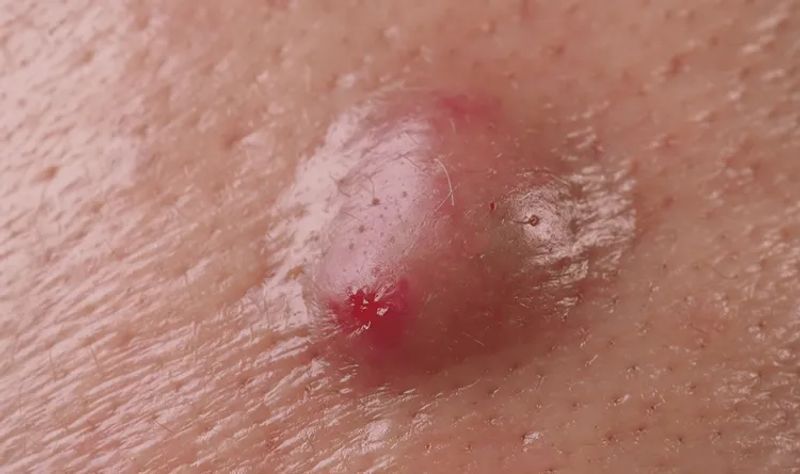
How much does it cost to remove a cyst?
How much does it cost to remove a cyst?
At South London Mole Clinic, we believe in transparent pricing, expert medical care, and long-term results. The cost of cyst removal can vary depending on several medical and procedural factors — and understanding these can help you plan confidently.
Below, we break down everything you need to know about cyst removal costs in London, Ontario.
Cyst Removal Cost Calculator
Estimate your likely treatment range with a clean, premium experience inspired by your brand direction.
Calculate your estimated price range.
Select the cyst type, size, location, and number of cysts. Your result will appear only after you click calculate.
Additional factor
Estimated Cost Range
Your price guide
Cost of Cyst Removal in London, Ontario?
Cost of Cyst Removal in London, Ontario?
The price of cyst removal depends on several important factors:
-
Small, superficial cysts are typically less expensive to remove.
-
Larger or deeper cysts may require more time and precision.
-
Cysts located near nerves, blood vessels, or sensitive areas (face, neck, groin) may require advanced technique, increasing cost.
The more complex the removal, the more surgical expertise and time required.
Different cyst types require different techniques:
✔ Surgical Excision (Most Common & Most Effective)
-
Complete removal of cyst and capsule
-
Lowest recurrence rate
-
Slightly higher cost due to precision and suturing
✔ Incision & Drainage
-
Used for infected cysts
-
Lower initial cost
-
Higher chance of recurrence
✔ Laser Cyst Removal
-
Minimal scarring
-
Faster healing
-
Advanced equipment may increase cost
At South London Mole Clinic, we prioritize complete excision whenever appropriate to reduce recurrence risk.
Removing multiple cysts during one session may qualify for bundled pricing, making treatment more cost-effective.
In some cases, your provider may recommend:
-
Ultrasound
-
Biopsy
-
Lab pathology analysis
These tests add to the total cost but ensure accurate diagnosis and safety.
Most cyst removals are done under local anesthesia, which keeps costs lower.
However, pricing may increase if:
-
Sedation is required
-
The cyst is complex
-
Operating room-level setup is needed
At our clinic, procedures are typically completed in-office, keeping costs reasonable.
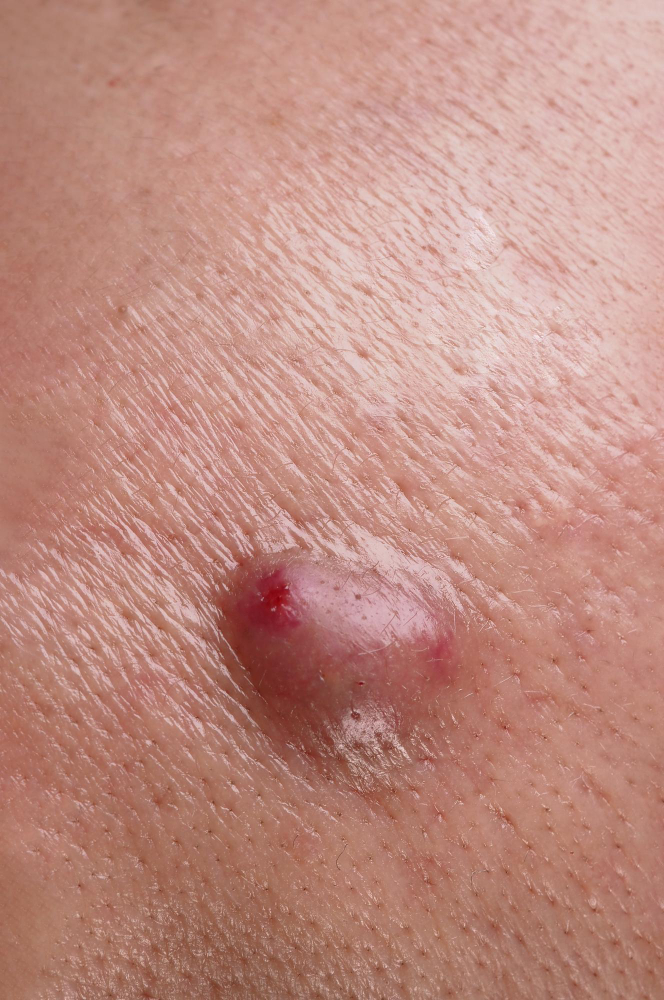
How Much Does Cyst Removal Cost in London, Ontario?
While exact pricing varies based on complexity, here’s a general estimate. Final cost may vary based on complexity and specifics of your case.
| Type of Cyst Removal | Estimated Cost Range |
|---|---|
| Small Cyst (Simple Excision) | $400 – $700 |
| Medium Cyst | $600 – $1,000 |
| Large or Complex Cyst | $800 – $1,500+ |
| Multiple Cysts | Custom Pricing |
These are general estimates. A consultation is required for accurate pricing.
Does OHIP Cover Cyst Removal?
OHIP coverage depends on whether the cyst removal is considered medically necessary.
OHIP May Cover
Typically when medically necessary
OHIP Usually Does Not Cover
Typically when cosmetic / not inflamed
Need help? Our clinic can guide you on whether your cyst qualifies for OHIP coverage.
South London Mole Clinic
Everything you need to know about cyst removal.
Clear options, safe technique, transparent pricing, and realistic recovery—presented in a clean, Apple-style layout.
Common Cyst Types We Treat
At South London Mole Clinic, we specialize in:
- Sebaceous cyst removal
- Epidermoid cyst removal
- Pilar cyst removal
- Ganglion cyst evaluation
- Infected cyst treatment
- Lipoma removal
Complete capsule removal is essential to help prevent recurrence.
Do Cysts Come Back After Removal?
Cyst recurrence depends on technique.
Definitive excision
Entire cyst wall removed
Drainage only
Capsule remains
That’s why our clinic emphasizes definitive surgical excision whenever appropriate.
Why Choose South London Mole Clinic for Cyst Removal?
We are focused on delivering safe, precise, and cosmetically excellent results.
Experienced minor surgery specialists
Health Canada–compliant medical equipment
Minimal scarring techniques
Transparent pricing
Sterile, medical-grade facility
Convenient London, Ontario location
How to Reduce Cyst Removal Costs
If you are paying privately:
- ✓Ask about bundled pricing for multiple cysts
- ✓Inquire about payment plans
- ✓Confirm whether pathology is included
- ✓Schedule consultation to avoid unnecessary tests
Remember: the lowest price is not always the safest choice. Experience and technique matter.
Preparing for Your Consultation
Bring:
- ✓Medical history
- ✓Medication list
- ✓Details about symptoms (pain, growth, infection)
- ✓Questions about recovery and scarring
We provide a clear cost breakdown before any procedure.
Recovery After Cyst Removal
Healing typically takes:
1–2 weeks
Small cysts
2–3 weeks
Larger removals
You may need:
- ✓Dressing changes
- ✓Suture removal
- ✓Follow-up visit
Proper aftercare reduces infection risk and improves cosmetic outcome.
Understanding Keloids and the Treatments
Understanding Keloids: When Scars Grow Bigger
Have you ever had a wound, piercing, or acne spot heal into a raised, firm bump that kept growing beyond the original injury site? That may be a Keloid.
What Exactly is a Keloid?
A keloid is a type of raised scar that occurs when the skin over-heals aggressively. Unlike a normal scar that fades over time, a keloid is characterized by:
- Overgrowth: It extends beyond the boundaries of the original cut, scrape, or wound.
- Appearance: It is typically firm, rubbery, shiny, and can be pink, red, or dark brown.
- Location: Common areas include the chest, shoulders, earlobes (from piercings), and jawline.
While keloids are benign (not cancerous), they can cause discomfort, itching, and often significant cosmetic distress.
The South London Mole Clinic Approach to Keloids
Keloids can be challenging, but with specialized care, we can often manage their appearance and symptoms effectively.
At the South London Mole Clinic, we take a personalized approach:
- Expert Examination: We start with a detailed visit and exam to properly diagnose the lesion, confirm it is a keloid (and not another type of growth), and understand its history.
- Best Treatment Plan: We will discuss and recommend the most effective treatment option for your specific keloid’s size, age, and location. Treatment often involves a combination of therapies like injections, cryotherapy, or specialized surgical techniques followed by strict aftercare.
- Commitment to Follow-Up: Managing keloids often requires multiple sessions, and we are dedicated to supporting you through the entire process to achieve the best possible outcome.
See the Results We Deliver!
We believe that seeing is believing. We encourage you to review the results we’ve achieved for our patients:
- View our Website Gallery
- Check our Social Pages: Facebook, Instagram, YouTubefor testimonials and transformations related to scar and lesion management.
Ready to explore options for managing your keloid? Book your consultation with our skin health experts at the South London Mole Clinic today!
Everything You Need to Know About Mole Removal in London, Ontario
Introduction
Moles are small skin growths that appear in different shapes, colors, and textures. While most are harmless, some can change over time and may require medical attention. At South London Mole Clinic, we offer safe, effective, and precise mole removal in London Ontario, using advanced dermatological techniques that minimize scarring and discomfort.
Why Moles Develop
Moles form due to clusters of pigment-producing cells called melanocytes. Genetics, sun exposure, and hormonal changes can all contribute to their appearance. While many moles are benign, sudden changes in color, border, or shape should always be examined by a specialist.
How Mole Removal Works
Our clinic provides various mole removal options depending on your skin type and the mole’s characteristics:
-
Laser mole removal – Best for small or flat moles, with minimal downtime.
-
Shave excision – Gently removes raised moles above the skin’s surface.
-
Surgical excision – Recommended for deeper or suspicious moles, ensuring full removal.
Each procedure is performed under local anesthesia, ensuring a comfortable and scar-minimized experience.
Why Choose South London Mole Clinic
We’re recognized for the best mole removal in London Ontario because we combine clinical precision with aesthetic sensitivity. Our trained professionals provide:
-
Thorough skin analysis
-
Modern, sterile facilities
-
Cosmetic-focused mole removal with natural healing
-
Transparent pricing and compassionate care

beyond markets, beyond limits.
fully professional
approach.
Eal voluptates exercit sed aioem quid delectus autem lorem sit ust aires nostrum dignismos.
maximizing wealth
returns.
Eal voluptates exercit sed aioem quid delectus autem lorem sit ust aires nostrum dignismos.
real sustainable
growth.
Eal voluptates exercit sed aioem quid delectus autem lorem sit ust aires nostrum dignismos.
What to Expect During Your
Botox Session
In-depth consultation to evaluate facial anatomy and treatment goals
Customized plan tailored to wrinkle severity and muscle movement
Precise injections using micro-needles for minimal discomfort
No downtime — return to your routine the same day
Visible results begin in 3–5 days, peaking at 10–14 days
Long-lasting results that typically last 3 to 4 months

Always stay ahead of Market & Industry Trends
expert financial advisors for the smarter decisions.
Fusce sodales mi magna al finibus metus euismod phare tray. Vestibulum ante ipsum primis in faucibus orci luctus el ultrices sollicitudin pore curae. Nam convallis erat.
Company Mission, Values & Approach
investing with full clarity, navigating with confidence.
Duis tempor mi rutrum venenatis porttitor. Aenean magna molest facilisis est commodo elit rhoncus mi. Lorem ipsum dolor sit quam consectetur fermen arcu pretium adipiscing elit.


Unlocking Prosperity: Journey to Financial Growth
get benefit from the financial stability and strength.
Fusce sodales mi magna al finibus metus euismod phare tray. Vestibulum ante ipsum primis in faucibus orci luctus el ultrices sollicitudin pore curae. Nam convallis erat.
investor reviews.
Your premier investment company with top-notch financial stability
Rating 4.8 / 5.0 (3400 total reviews)