
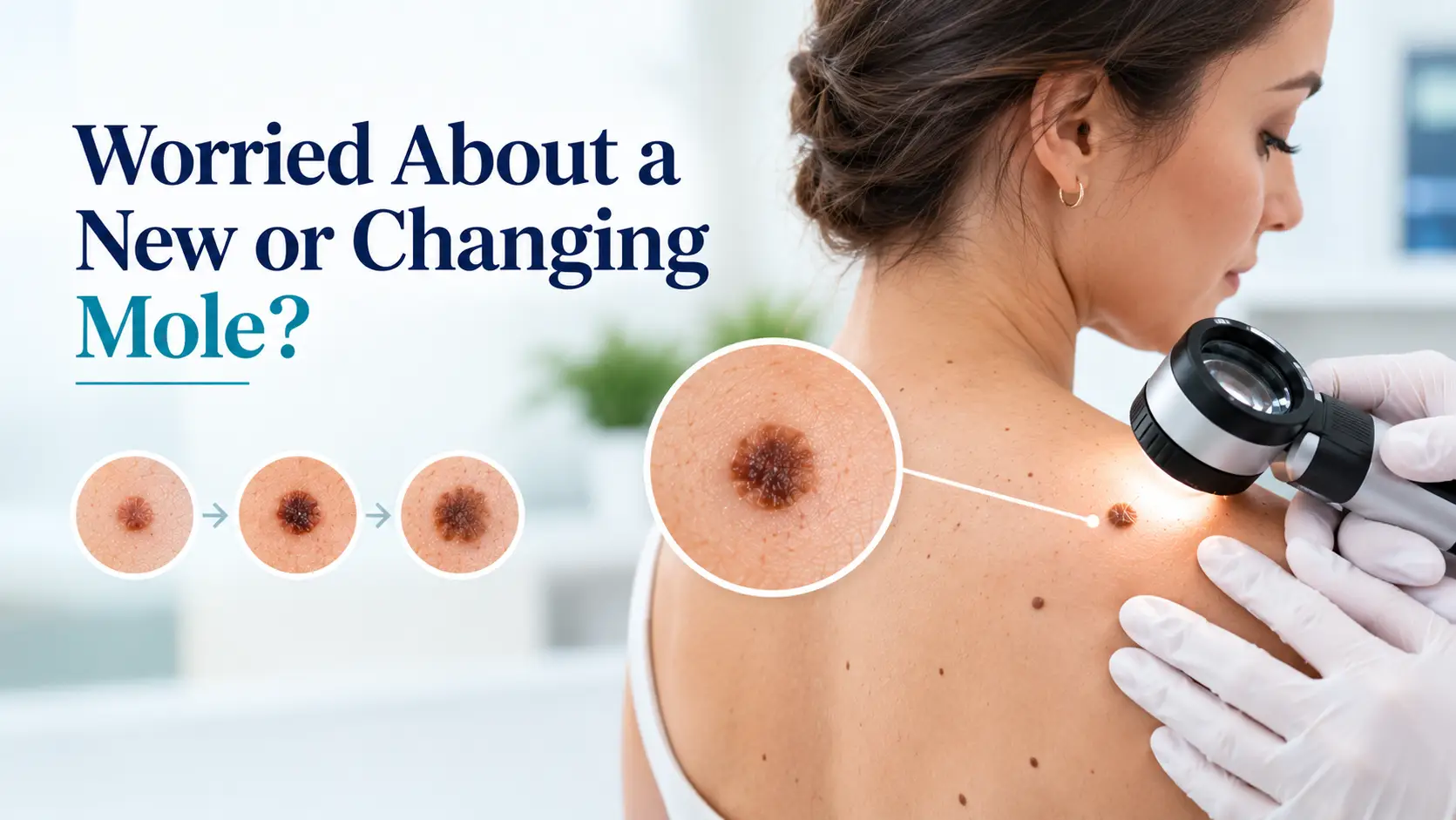
Most moles that change turn out to be harmless, but any new or changing mole deserves a professional look.
Book a check soon for any change, and see someone promptly if a mole bleeds, grows fast or will not heal.
Written for South London Mole Clinic, a nurse practitioner-led clinic in London, Ontario, founded by Pinkal Gandhi.
Reviewed by: Pinkal Gandhi, 02/10/2026.
TL;DR
- Moles can change slowly over time. Fast, uneven or symptom-causing change needs a closer look.
- See someone promptly for bleeding, rapid growth, pain, or a sore that will not heal.
- Book a check soon for a new mole in adulthood, a mole that changes, or one that looks different from the rest.
- In London, Ontario, you can start with your family doctor, a dermatologist referral, or a nurse practitioner-led clinic.
- At South London Mole Clinic, mole mapping costs $695 + HST and needs no referral.
This article is general information, not medical advice.
Is it normal for a mole to change?
Moles can change slowly over the years, so a small shift does not always signal a problem.
You cannot tell a harmless change from a concerning one by eye alone, which is why a check helps.
Changes that often fit normal skin ageing
- Slow, even changes over many years
- A mole that darkens slightly after sun exposure
- A mole that looks the same shape and colour but feels a little different over time
These may be harmless, but they still belong in a conversation with a clinician if you feel unsure.
Changes that deserve a closer look
- A new mole or dark spot that appears in adulthood
- A mole that changes in size, shape or colour
- A mole that looks different from your others
- A mole that itches, crusts or bleeds
Pro tip: Write down when you first noticed the change. Dates help your clinician judge how fast it moved.
What are the warning signs of a problematic mole?
Warning signs include uneven shape, irregular edges, mixed colours, growth and any change over time.
Itching, bleeding or a sore that will not heal also deserve attention.
The ABCDE guide in short
- Asymmetry: one half does not match the other
- Border: edges look ragged, notched or blurred
- Colour: more than one shade, or a colour change
- Diameter: a mole that is growing or looks larger than a pencil eraser
- Evolving: any change in size, shape, colour or feel
Evolving matters most. A mole that changes over weeks or months is the main reason to get checked.
For more on how tracking works, read our guide to body scans for skin cancer .
The ugly duckling sign
One mole that looks different from the rest may deserve a look, even if it passes the ABCDE test.
- Compare it with the other moles near it
- Look for a mole that is darker, lighter, larger or shaped differently
- Mention it to your clinician
Signs beyond ABCDE
- Itching or tenderness
- Crusting or flaking
- Bleeding without injury
- A sore that does not heal
- Redness or swelling around a mole
Silent changes
A mole can change without any pain or itching. Lack of symptoms does not mean lack of change.
That is why regular checks and comparison photos matter. Many people miss slow shifts because they see the same mole every day.
Hidden spots
Some moles sit where you rarely look. Skin cancer can affect people of every skin tone.
- Back and shoulders
- Scalp
- Soles of the feet and palms
- Under and around nails
- Between toes and behind the ears
Ask a partner or friend to help check spots you cannot see.
Should you worry about a mole that grew quickly?
Quick growth over days or weeks needs prompt in-person assessment. Most changing moles turn out to be harmless, but fast change is a reason not to wait.
Why speed matters
- Many harmless moles change slowly. Rapid change stands out because it breaks that pattern.
- Clinicians take it seriously for that reason. They can look closely and explain what they see.
What to tell your clinician
- When you first noticed the mole or the change
- What changed: size, shape, colour or feel
- Any itching, bleeding or pain
- Your sun history, past sunburns and tanning bed use
- Family or personal history of skin cancer
- Dated photos, if you have them
Pro tip: Take a clear photo before your appointment. It gives your clinician a reference point.
When should you get a mole checked in London, Ontario? A simple timing guide
Match your timing to what you see. The more urgent the sign, the sooner you should be seen in person.
| Timing | Examples |
|---|---|
| See someone promptly | Bleeding, rapid growth, a sore that will not heal, pain, swelling around a mole |
| Book a check soon | Any change in size, shape or colour, a new mole as an adult, one mole that looks different |
| Mention at your next routine visit | Stable, long-standing moles with no change |
This guide is general. Your clinician decides what fits your situation.
See someone promptly
Get an in-person assessment without delay for:
- Bleeding without an injury
- Growth over days or weeks
- A sore that will not heal
- Pain or swelling around a mole
- A new lump near a changing mole, such as in the armpit or neck
Book a check soon
Book an appointment for:
- Any change in size, shape or colour
- A new mole or dark spot as an adult
- A mole that looks different from your others
- Several risk factors, such as many moles, fair skin, past sunburns or a family history of melanoma
Mention at your next routine visit
Moles that stay the same for years usually need only a mention. Tell your clinician about them at your next routine appointment.
If you cannot get an appointment quickly
Do not wait for a mole mapping baseline if a spot looks urgent.
- Contact your family doctor
- Visit urgent care or a walk-in clinic
- Ask whether a referral makes sense
Example scenario (illustrative): A person’s partner notices a spot on their back that looks new. It has not bled or hurt. They book a check soon rather than waiting for their next annual visit.
Who can check a mole in London, Ontario? Your options
You can start with your family doctor, a dermatologist by referral, or a nurse practitioner-led clinic like ours.
The right choice depends on how urgent the change looks and how quickly you want to be seen.
| Option | Referral | Cost model | Best for |
|---|---|---|---|
| Family doctor | No | Public system | A first look at a concern |
| Dermatologist | Usually yes | Public system, waits vary | Specialist assessment |
| South London Mole Clinic | No | Private, $695 + HST for mole mapping | Tracking moles over time |
| Mobile skin clinics | Varies | Varies | Occasional access when they visit |
Your family doctor or primary care provider
Your family doctor is often the first stop for a changing mole. They can examine it and refer you if needed.
A dermatologist by referral
- A dermatologist offers specialist assessment, usually through a referral.
- Waits for specialist appointments can be long, so ask your doctor about timing.
A nurse practitioner-led clinic
- South London Mole Clinic is nurse practitioner-led and was founded by Pinkal Gandhi.
- You can book mole mapping directly, with no referral needed.
Read our comparison of a private mole clinic vs a dermatologist referral in Ontario.
Mobile and pop-up skin clinics
Mobile skin clinics visit London from time to time. Their dates and availability change, so check before you plan around one.
Can you track a changing mole at home or with an app?
Home photos and apps can help you keep records, but they cannot diagnose a mole. Use them to support a clinical visit, not to replace one.
How to photograph a mole for comparison
- Use the same lighting each time, such as daylight near a window
- Place a ruler or coin next to the mole for scale
- Take one close photo and one wider photo
- Hold the camera at the same angle
- Add the date to each photo
What apps can and cannot do
- They can store dated photos in one place
- They can remind you to check your skin
- They cannot confirm whether a mole is safe
- They cannot replace a clinical exam or a biopsy
If an app gives you a reassuring result, you should still get a changing mole checked in person.
When mole mapping may help
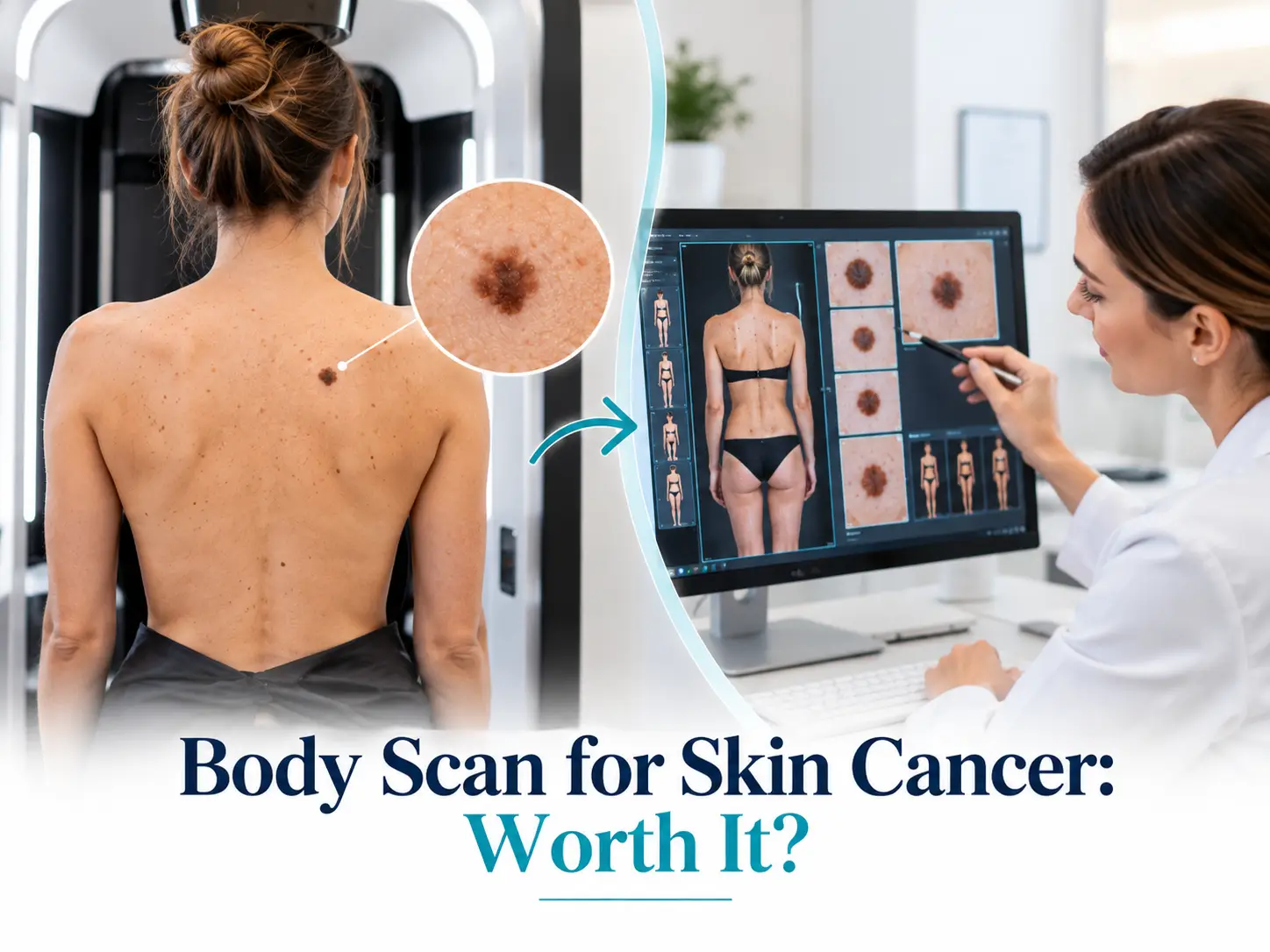
Mole mapping photographs your whole body and builds a baseline you can compare over time. We use IntelliStudio for this.
It may help if you:
- Have 50 or more moles, or moles that look large or irregular
- Have a personal or family history of melanoma or another skin cancer
- Have fair skin, freckles or red hair and burn easily
- Have moles in spots that are hard to watch yourself, like your back or scalp
Mole mapping is a monitoring tool. It is not a diagnostic test and does not replace a clinical exam or biopsy.
Learn more about mole mapping and digital skin imaging in London, Ontario.
What happens at a mole check appointment?
A mole check is quick, private and non-invasive, and your clinician explains each step.
At South London Mole Clinic, you can book mole mapping and digital skin imaging online.
Step by step
- We talk first. We go over your skin history, risk factors and any moles on your mind.
- Total body imaging. IntelliStudio takes clear, high-resolution photos across your skin.
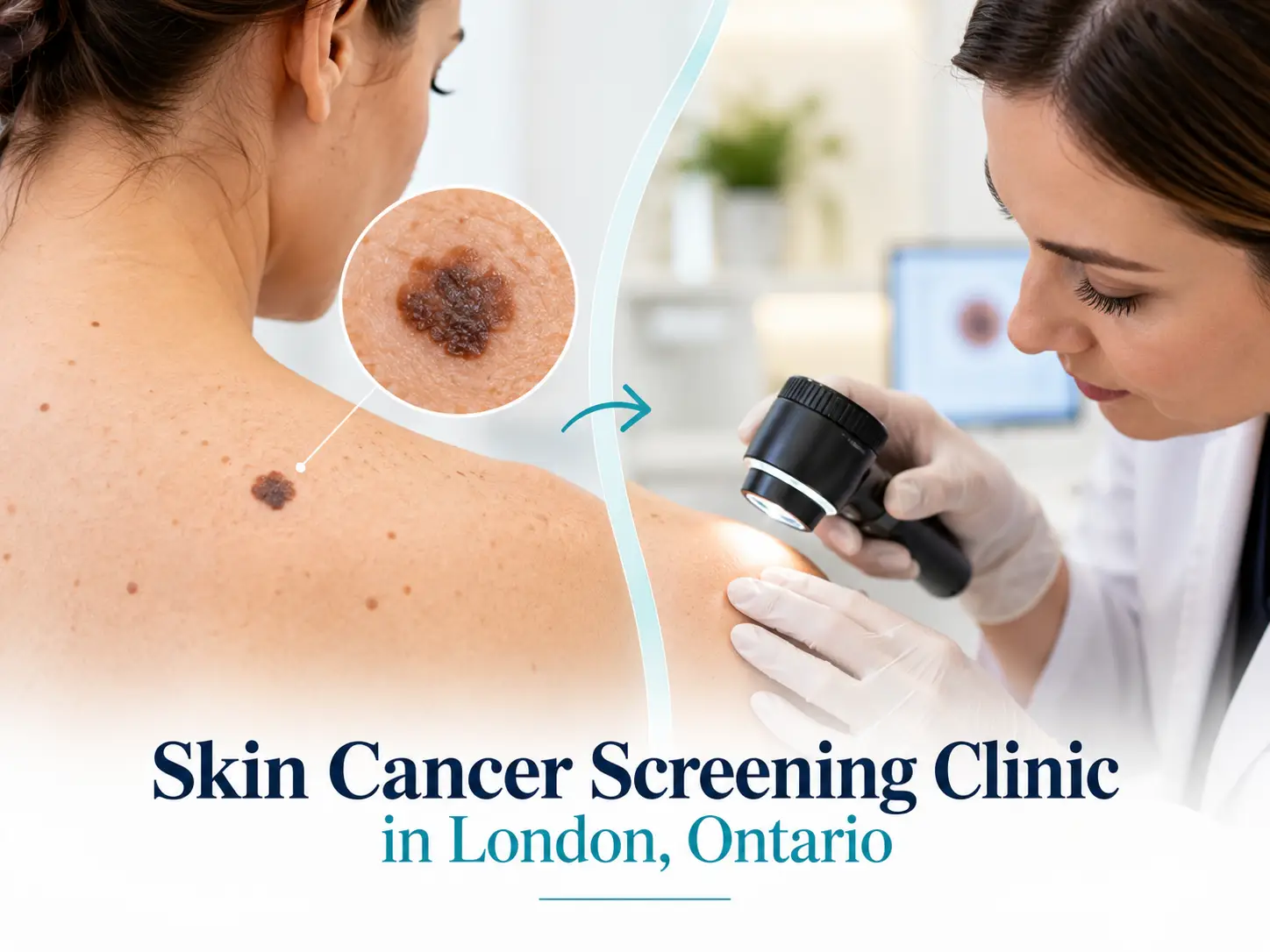
- Digital dermoscopy. Moles worth a closer look are captured in fine detail under magnification.
- Your baseline. Your images are saved securely and compared at future visits.
Most visits run about 30 to 45 minutes, depending on how many moles we document. A small handheld dermoscope rests gently on your skin, and nothing breaks the surface.
How to prepare
- Come with clean skin, and skip makeup, foundation and nail polish
- Leave self-tanner off for about two weeks before your visit
- Take off jewellery and tie long hair back
- Wear underwear you are comfortable being photographed in
- Skip dark socks, and shave areas where hair hides the skin if you can
What to bring
- A list of moles you want us to pay attention to
- Dated photos of any changes
- Your family history of skin cancer, if you know it
Pro tip: Tell us which mole worries you when you book. Then we can look at it with you.
When a biopsy or referral may follow
Your nurse practitioner goes through the images with you. If anything looks worth checking further, they explain the next step, which might be a biopsy or a referral.
Imaging does not diagnose cancer. A biopsy does.
What if the mole needs to be removed? Cost and coverage
Mole mapping and mole removal are separate services. If a mole needs removal, we explain the next step after your assessment.
Cost of mole mapping
- A full digital skin imaging appointment costs $695 + HST
- We take payment when you book
- OHIP does not cover mole mapping because it is a private service
- Many extended health plans may reimburse it, so ask your insurer
Read more in our posts on mole mapping cost in London, Ontario and whether mole mapping is covered by OHIP.
Cost of mole removal
Mole removal pricing depends on the mole and the procedure. See our price page for current fees.
Whether removal costs are covered depends on the reason for removal and the setting. Ask during your consultation so you know what to expect.
Learn more about our mole removal service and our guide to mole removal in London, Ontario.
Why early detection matters
Many skin cancers are easier to treat when found early. Our article on why early skin cancer detection matters explains more.
How to choose a qualified clinic for a mole check
Choose a clinic that explains what it can and cannot do. Equipment matters less than who reviews your images and what happens next.
- A qualified clinician reviews your skin
- Dermoscopy is part of the visit, not just photos
- There is a clear path to biopsy or referral if something looks suspicious
- The clinic states the limits of its service
- Pricing is clear before you book
- Your images are stored securely and kept private
Questions worth asking before you book:
- Who looks at my moles?
- What happens if something looks suspicious?
- What does the fee include?
- How do you store my images?
How to book a mole check at South London Mole Clinic
You can book mole mapping online or by phone, and you do not need a referral.
We work from a nurse practitioner-led model, founded by Pinkal Gandhi, and your nurse practitioner reviews your images with you.
- Book online: Book a mole mapping appointment
- Call: (519) 800-4518
- Email: info@southlondonmoleclinic.ca
- Visit: 561 Southdale Rd E #10, London, ON N6E 3M2
Call to ask about availability. If your mole is bleeding, growing fast or causing pain, do not wait for an appointment. See your family doctor or visit urgent care.
Learn more on our contact page or visit the South London Mole Clinic home page.
Frequently asked questions
1. Is it normal for a mole to change colour or shape?
Moles can change slowly over time, but a noticeable change in colour or shape deserves a check. A clinician can look closely and explain what they see.
2. What are the warning signs of a dangerous mole?
Watch for uneven shape, irregular edges, mixed colours, growth, itching, bleeding or a sore that will not heal. One mole that looks different from the rest also deserves attention.
3. Should I worry if a mole grew quickly?
Quick growth over days or weeks needs prompt in-person assessment. Most changing moles are harmless, but fast change is not a reason to wait.
4. Can I book a mole check online, and do I need a referral?
Yes, you can book mole mapping online with no referral needed. You can also call (519) 800-4518.
5. How much does a mole check cost?
Our mole mapping appointment costs $695 + HST, paid at booking. OHIP does not cover it, but many extended health plans may reimburse it.
Next step
If a mole worries you, we can help you decide what to do next.
- Book a mole mapping appointment
- Call (519) 800-4518
- Read our guide to why early skin cancer detection matters
This article is general information, not medical advice. Mole mapping is a monitoring tool and does not diagnose skin cancer. See a clinician in person for pain, bleeding, infection, rapid growth, a sore that will not heal or any sudden change. Whether mole mapping or any treatment suits you depends on a clinical consultation.



Leave A Comment